


Superlative Futures is a transdisciplinary design and research studio in Singapore and is co-founded by Wong Zihao and Liu Diancong. The research practice centers on creative modes of landscape representation to advocate new ways of seeing, and through that speculate alternative futures where cities might better co-exist with more-than-human worlds. They see their design output as a practice of care. They have exhibited at NUS Museum and were supported by Singapore Art Museum’s inaugural Design Research Fellowship, 2024-2025. Zihao received his PhD in Architecture at the National University of Singapore in 2023, having completed a design-research thesis on intertidal practices of care. Alongside his research practice, he teaches at NUS’ Department of Architecture, and Nanyang Academy of Fine Arts / the University of Arts. Diancong currently practices as an architectural designer, after completing his Master of Architecture at NUS in 2024, exploring sedimentation and alternative conceptions of ground.
Profile Photo credit: Hoong Wei Long
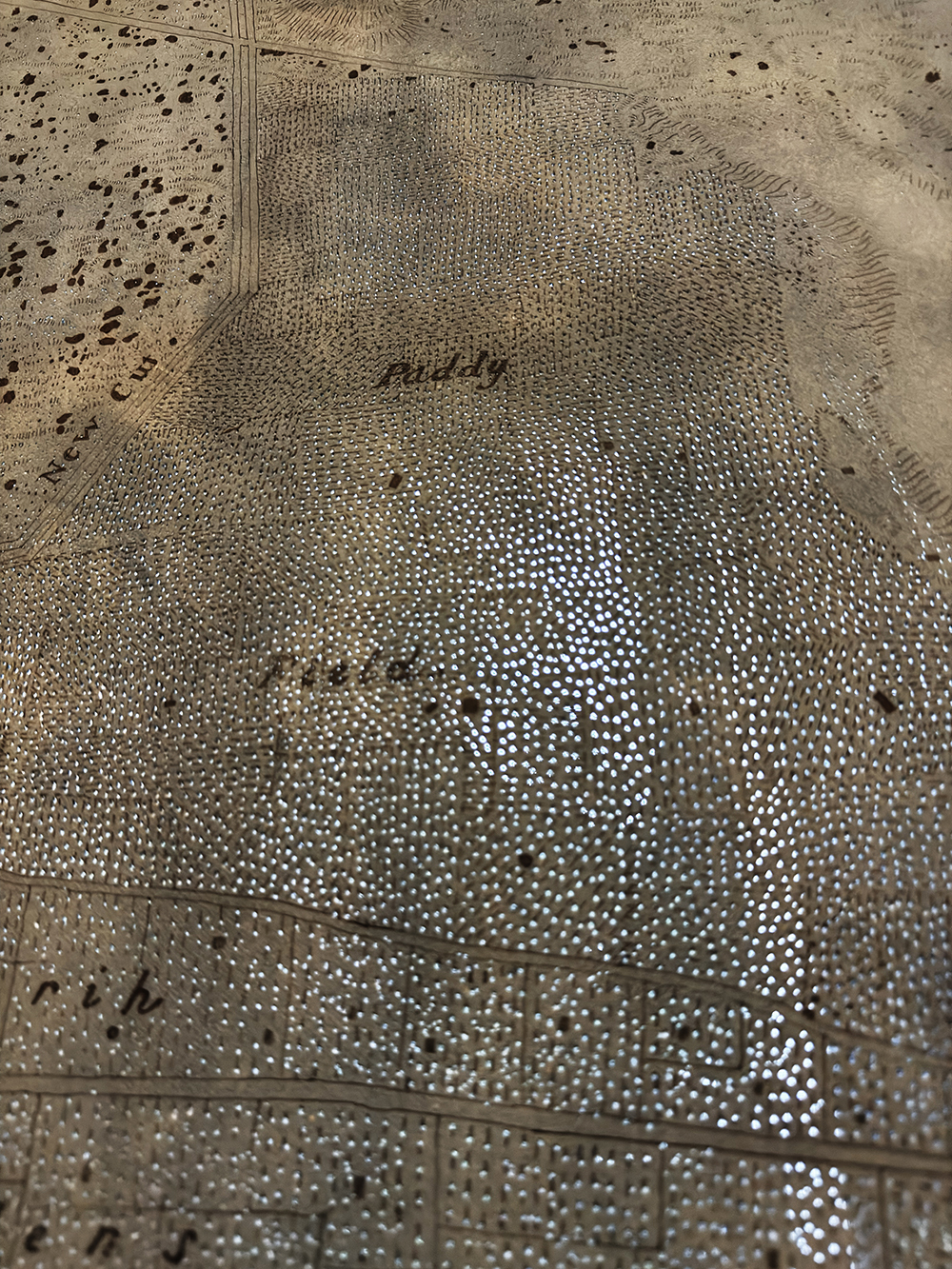
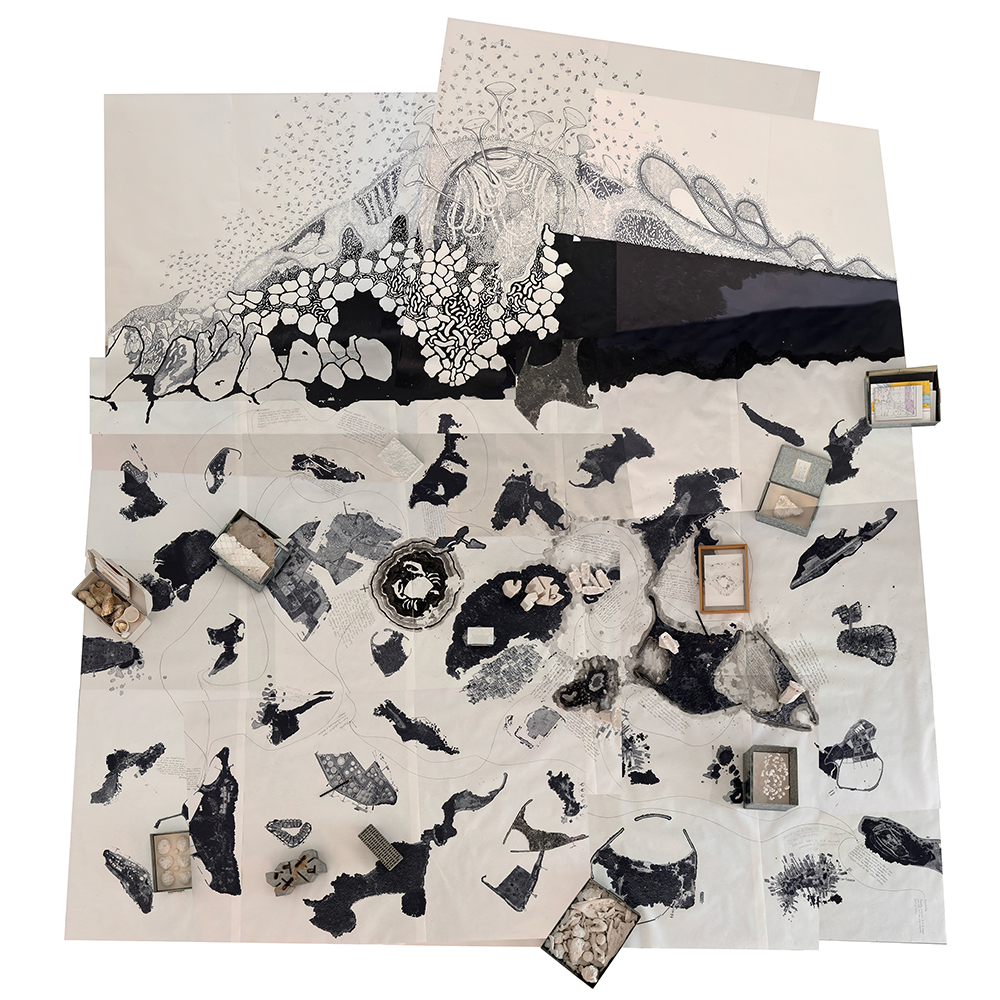
What will become of the map in a future world, after cartography? Will the map become obsolete? Perhaps not so, since the representation of a place—whether through drawing, forms of mark-making or object-making, storytelling, and indeed the humanly act of meaning making, and locating disparate things into webs of association—has always been central to the way we (continue to) make civilisation and inhabit the environment. Yet, to imagine a world after cartography, calls that we (re)think about what other forms of mapping can hold potential beyond a cartographic order, that is, dominant ways of seeing that we have inherited—most times, unquestioned—which by emphasizing the aerial and disembodied satellite vantage from above, privileges human-centric and extractive visions of the landscape.
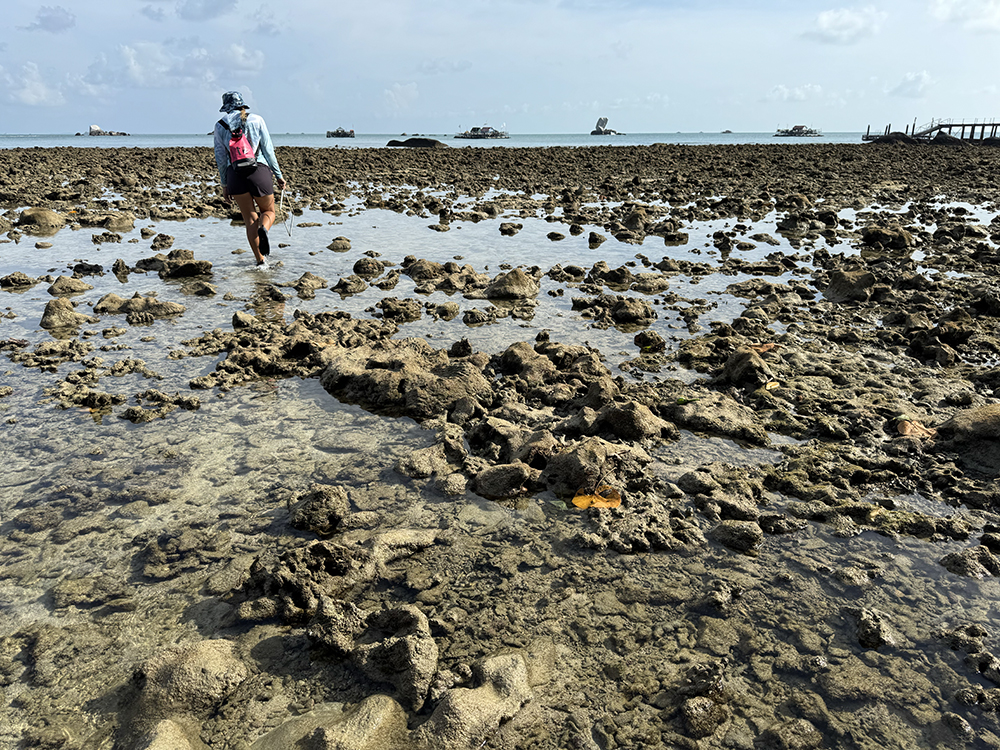
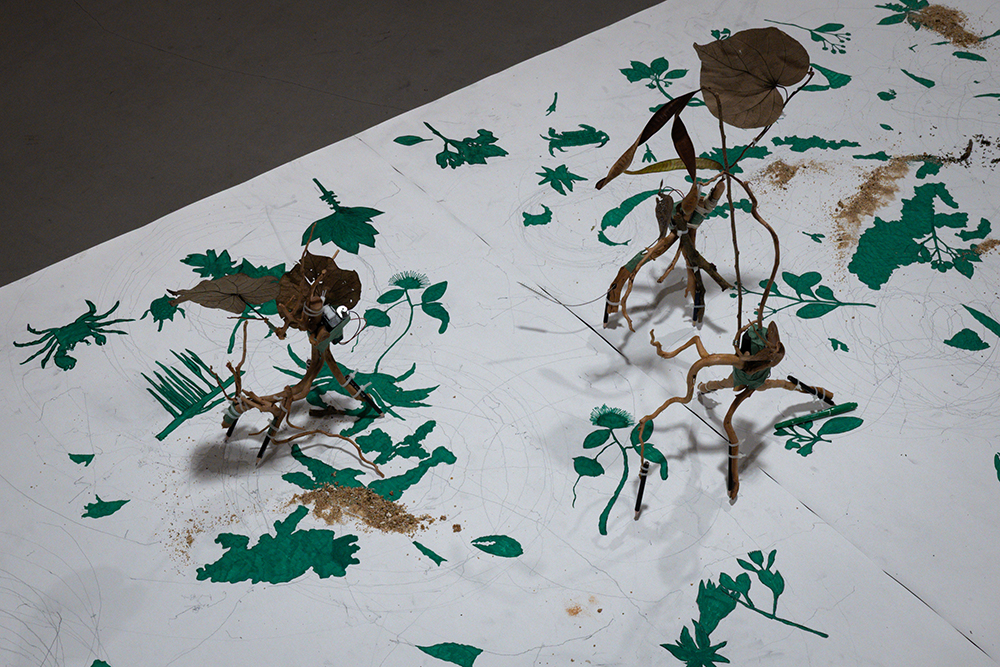
For 2 weeks, the island Nikoi lends as site of enquiry around matters of grounding, not only functioning as landing grounds and hosting space to reconsider alternative ways of seeing for a shifting (intertidal) landscape, away from the research metropoles inside the city. Walking and drawing the island becomes both a physical method, and conceptual one as well in the act of mapping and re-tracing new relations of self to place. During the research residency, we wish to be led by the namesake of the island—Nikoi—being firstly a derivation of the local language for Papaya (which also brings to mind its sister island’s botanical name Cempedek), with which to draw inspiration through the botanical movement of the fruit plants, tracing from within/between islands and across oceans, other forms of map-making that can trace the terrain through the intimate scales of seed dispersal. We also playfully note the name’s Urdu/Hindi associations to also mean a kind of “divine favour” on one hand, and a “worry or concern” on the other—wherein we play host with both staff and guests (through the format of a map-making workshop) to engage with a plurality of ways of seeing with the ground from human and more-than-human vantages. Through that, the project rethinks how these alternative knowledge maps—after cartography—can attune posthuman sensibilities and more generous (and re/generative) relations towards more-than-human worlds, when we return to the city.
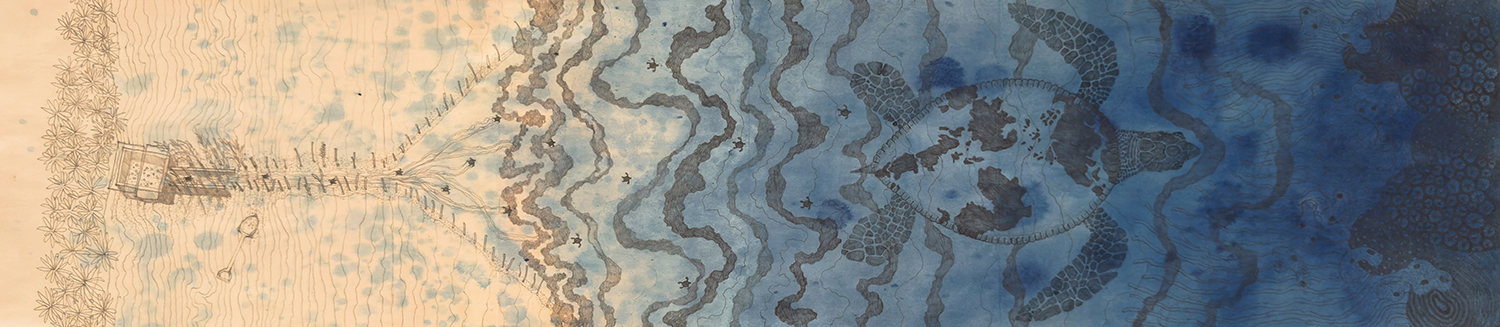
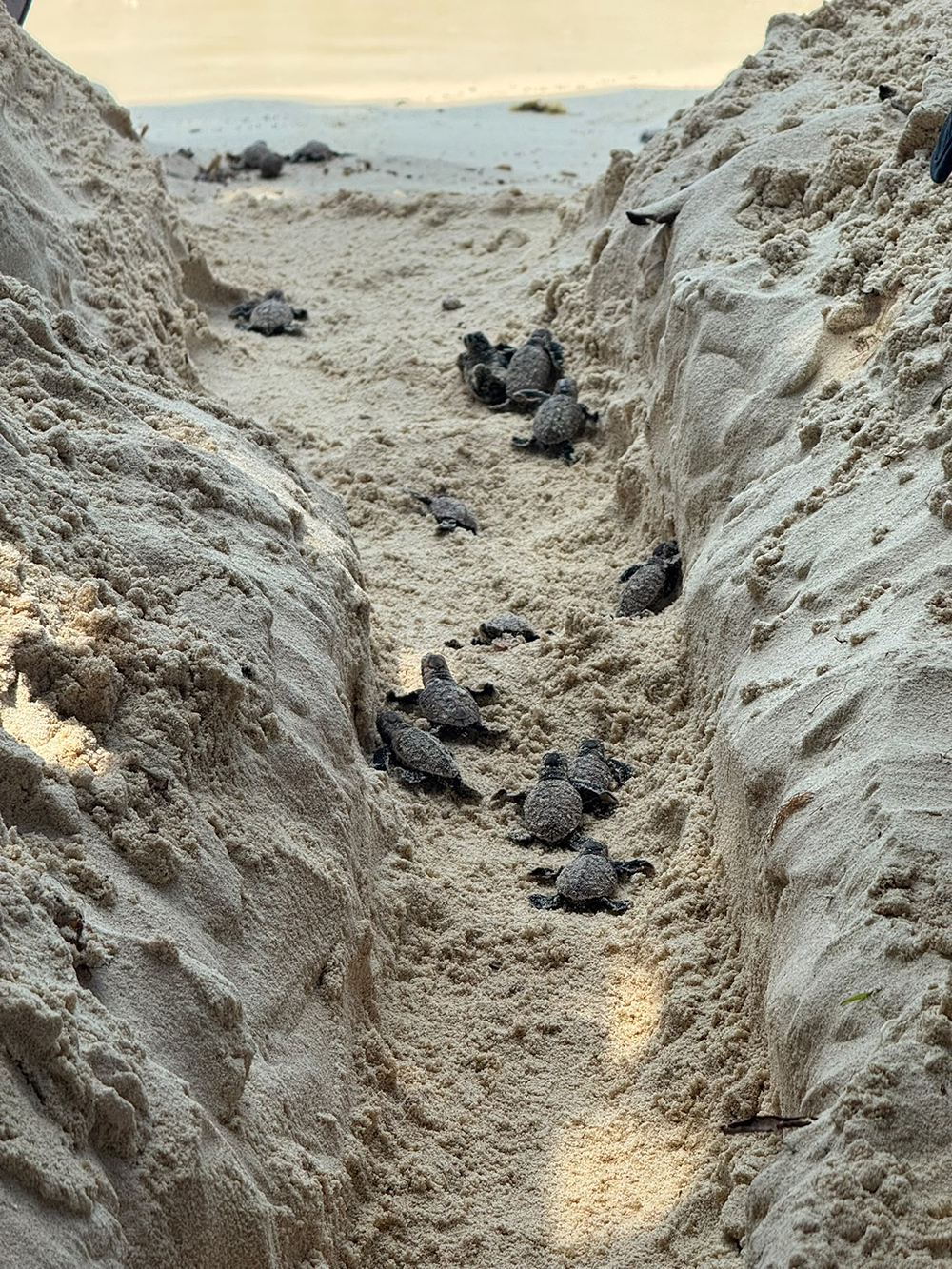
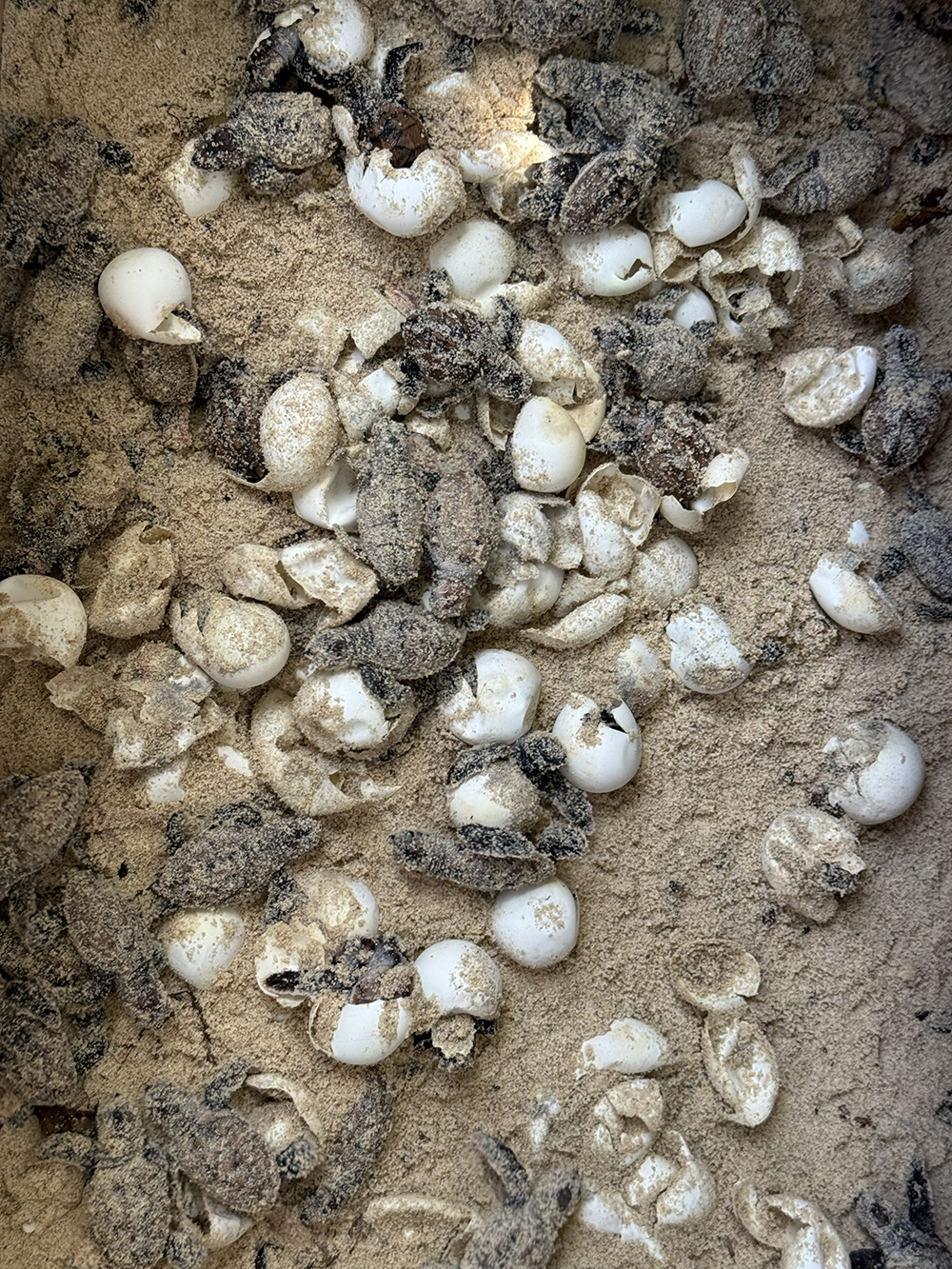
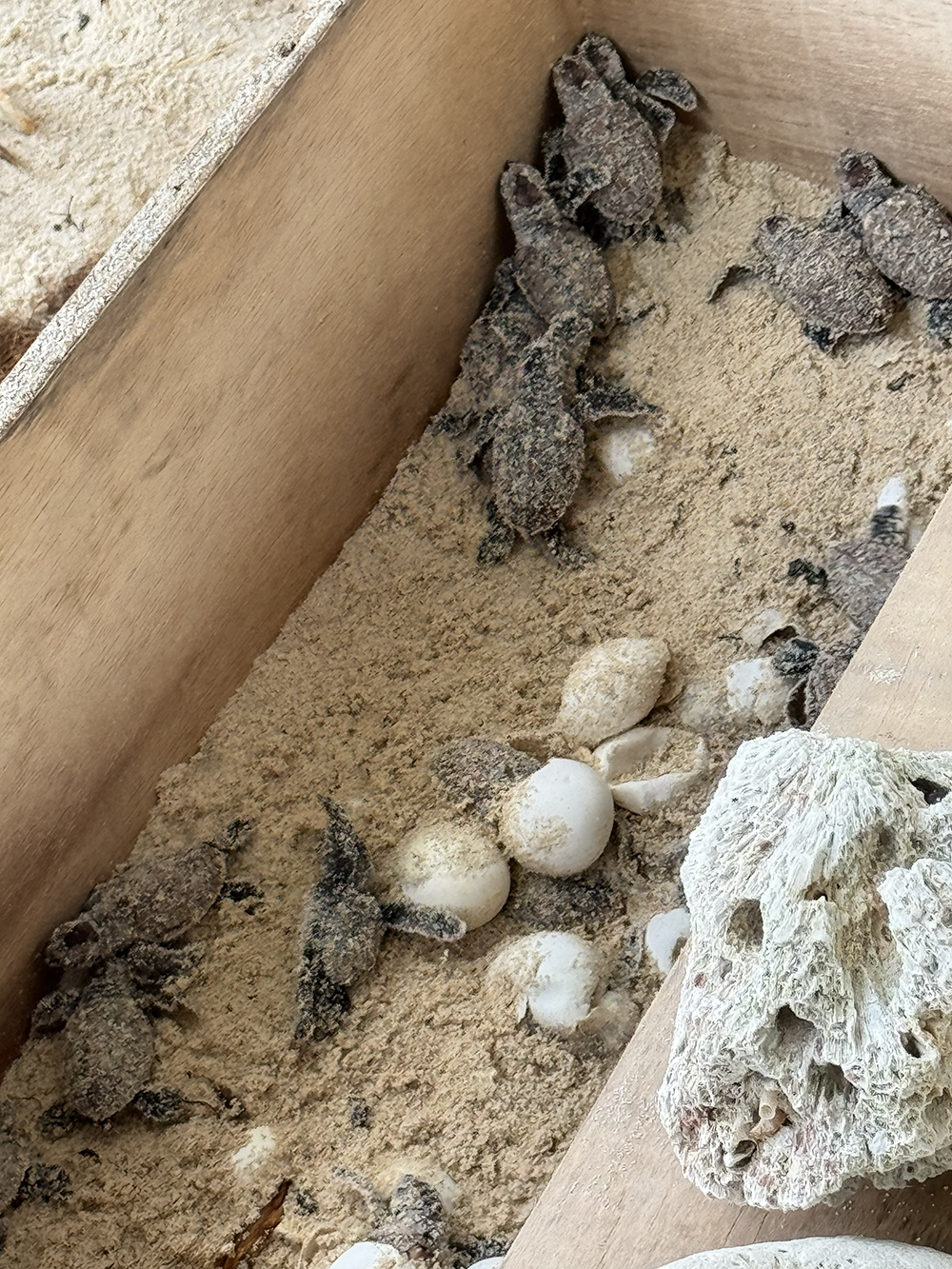
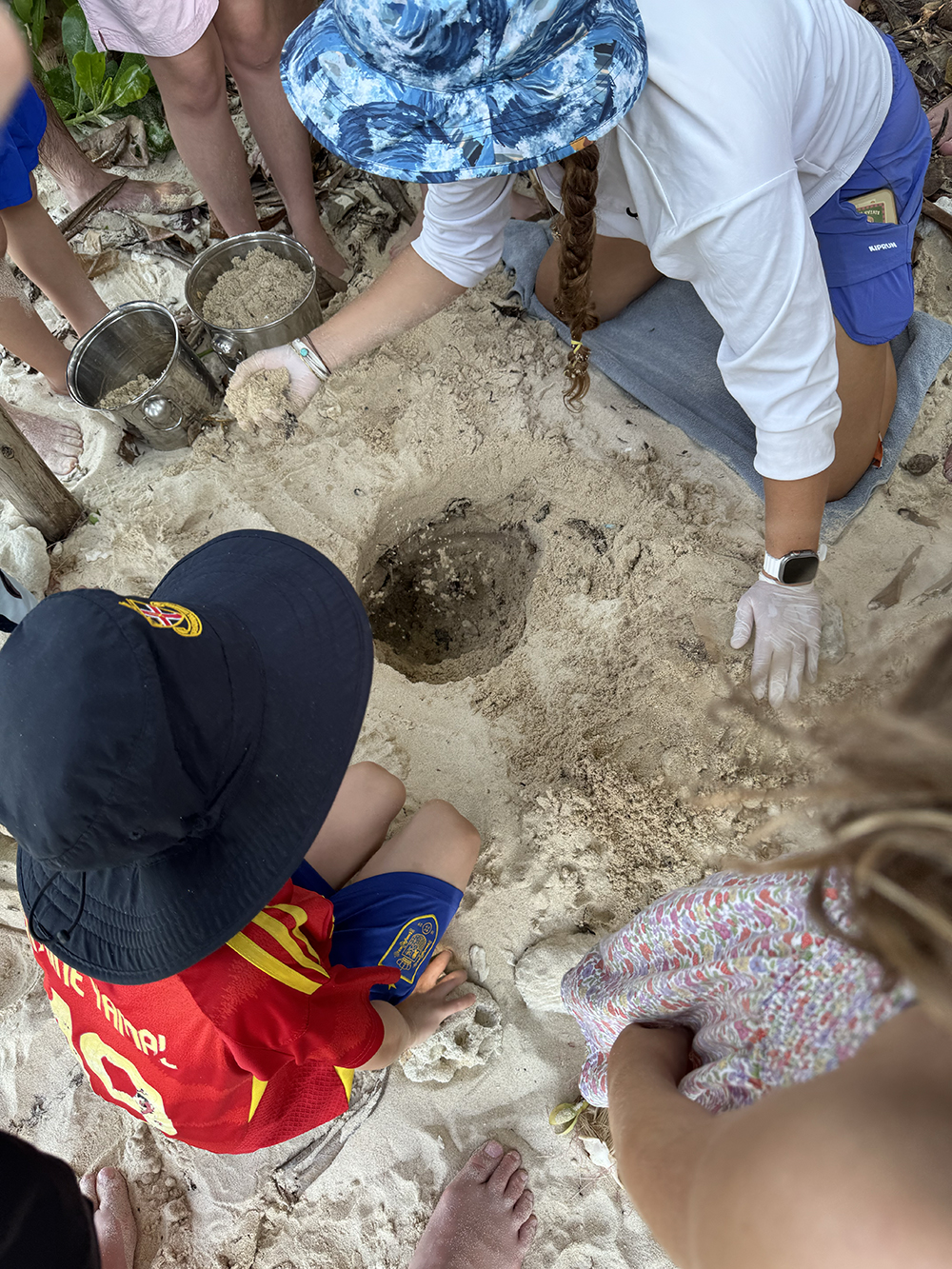
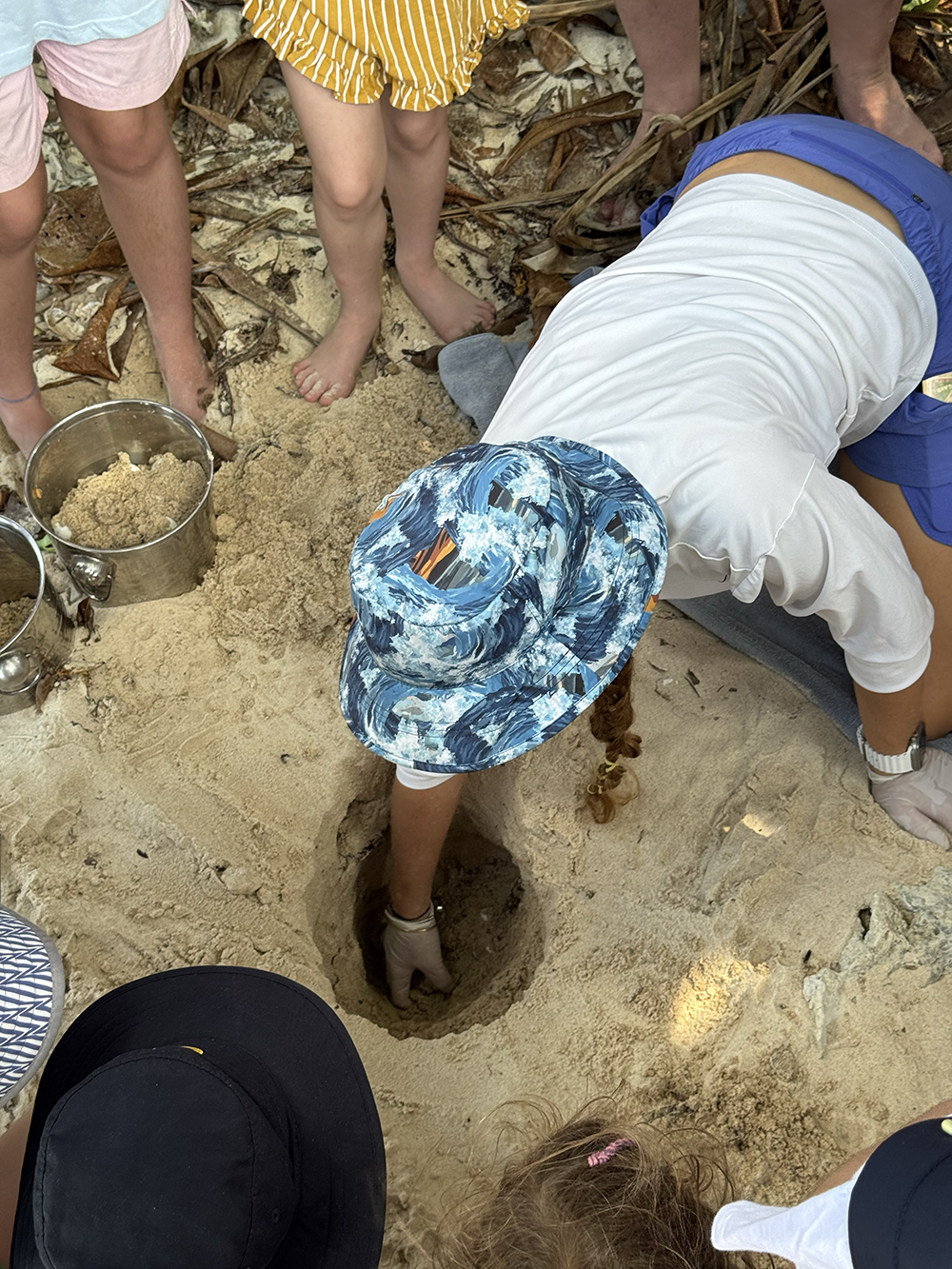
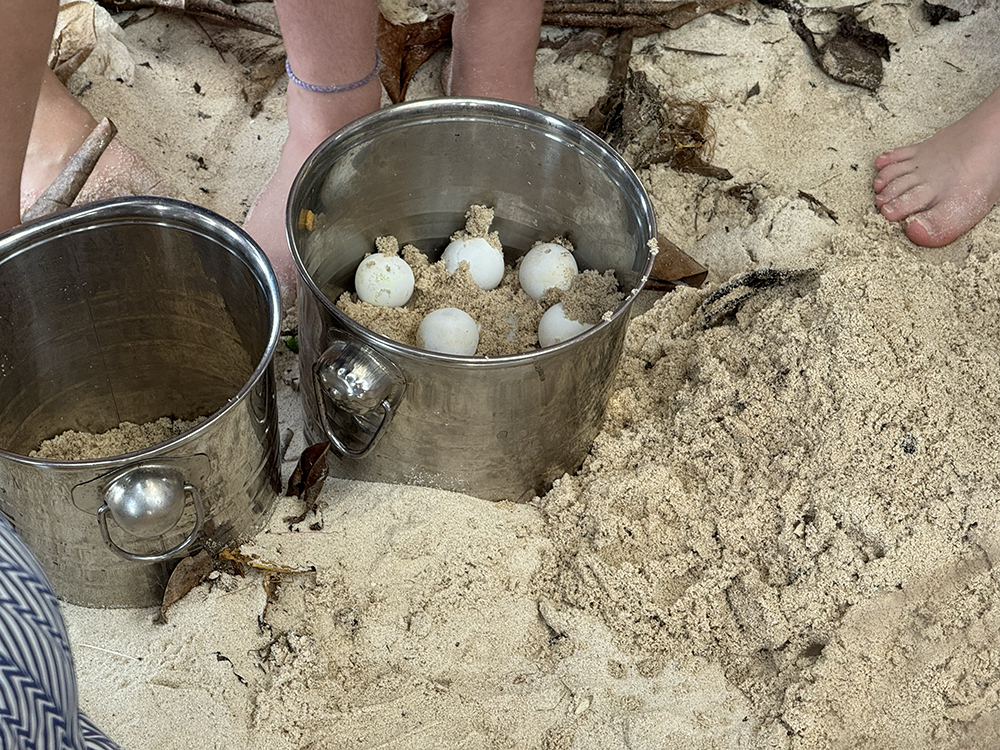
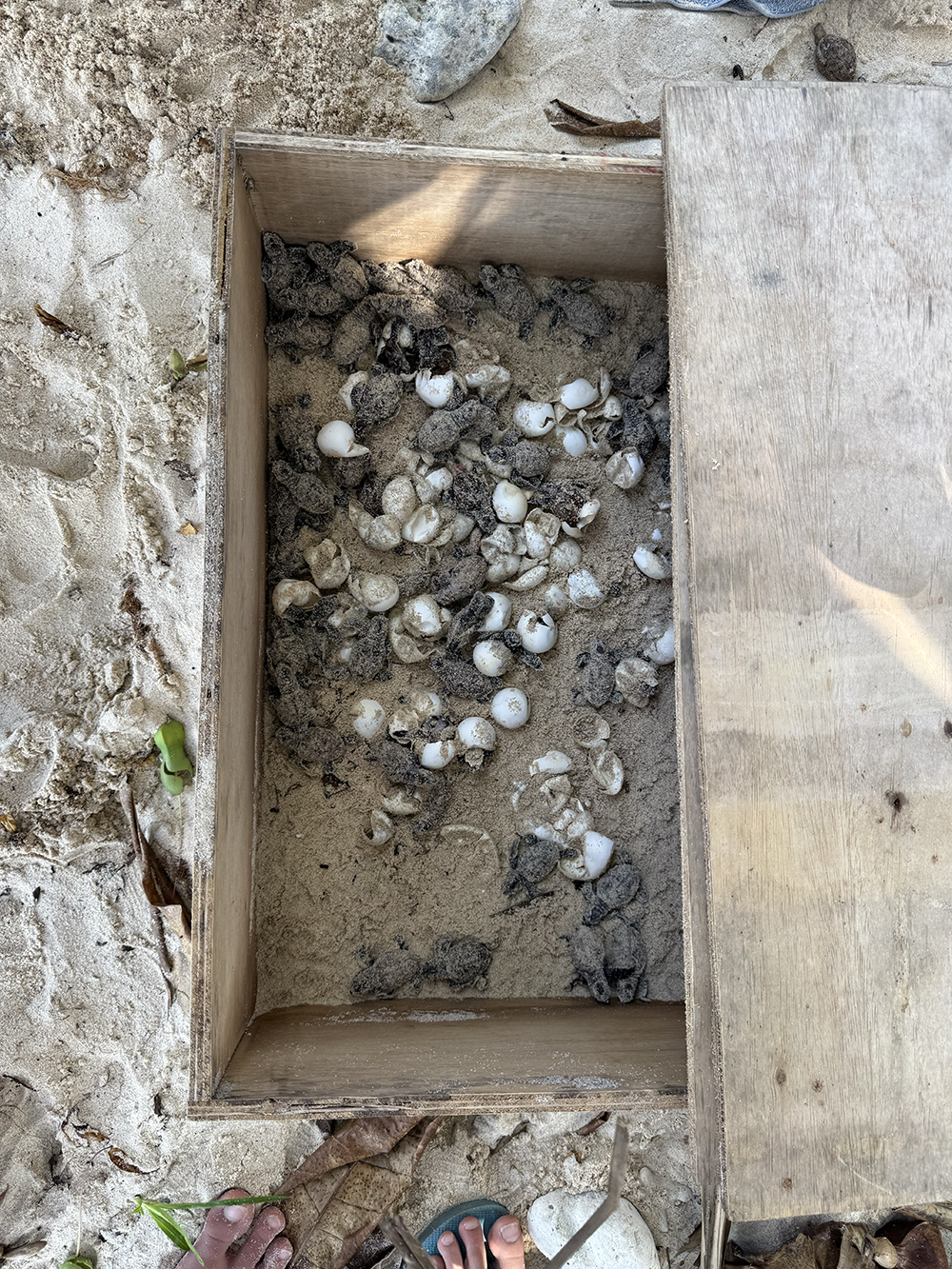
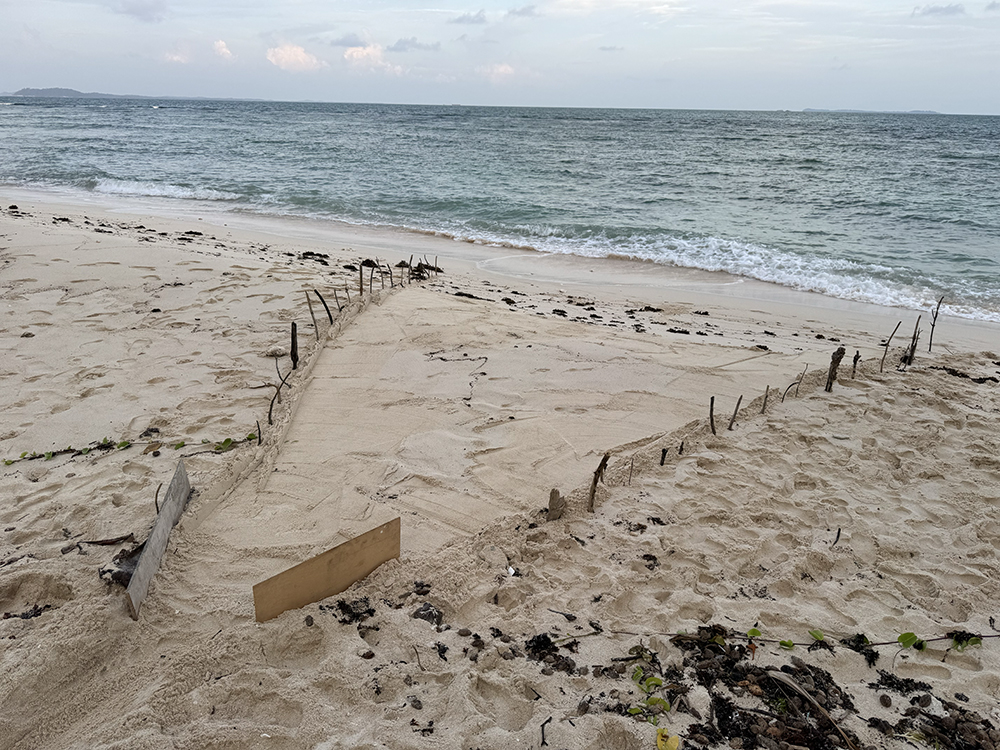
During the research residency, I followed the island’s marine biologist on her evening coastal patrols in search of mother turtles coming upshore to lay eggs, and in the daytime, observing how she cares for the turtle nests, and releasing the baby turtles as the hatchlings make their way to the sea. It was a valuable experience to have participated, almost twice daily, in releasing baby turtles into the sea. Only 1 in every 1,000 turtles survives to adulthood; hence her work matters in patrolling the shores to locate nests and protect them from natural predators like monitor lizards and ghost crabs, but also from sinking shorelines and rising sea levels (turtle eggs must stay dry; if inundated with salt water, they cannot breathe).
The tides set the rhythm for the birthing, hatching, and emergence of the babies into the sea. The ebbing sea reveals a lone mother turtle tucked beneath a row of coastal shrubs. She has intuitively found her way back to the shores where she was born, 17–20 years ago. (I wonder what happens to turtles whose birthplaces are now reclaimed as land, or sunk beneath the rising seas of climate change.) She is picky, searching for good ground to lay in, digging with her hind flippers 60cm into the earth. If timed well, she is ready to leave just as the tide rises upshore to carry her back to sea. The eggs stay in the ground for 60 days. It seems the tidal vibrations in the sand tell the babies when to hatch. When they do, they are mostly asleep—waiting for cooler temperatures and higher tides before emerging. They smell the sea and listen for the sound of waves. The sea is calling, and they emerge through a small hole in the sandy ground, then crawl on tiny flippers until they reach the water. The sea sweeps them up: life has just begun.
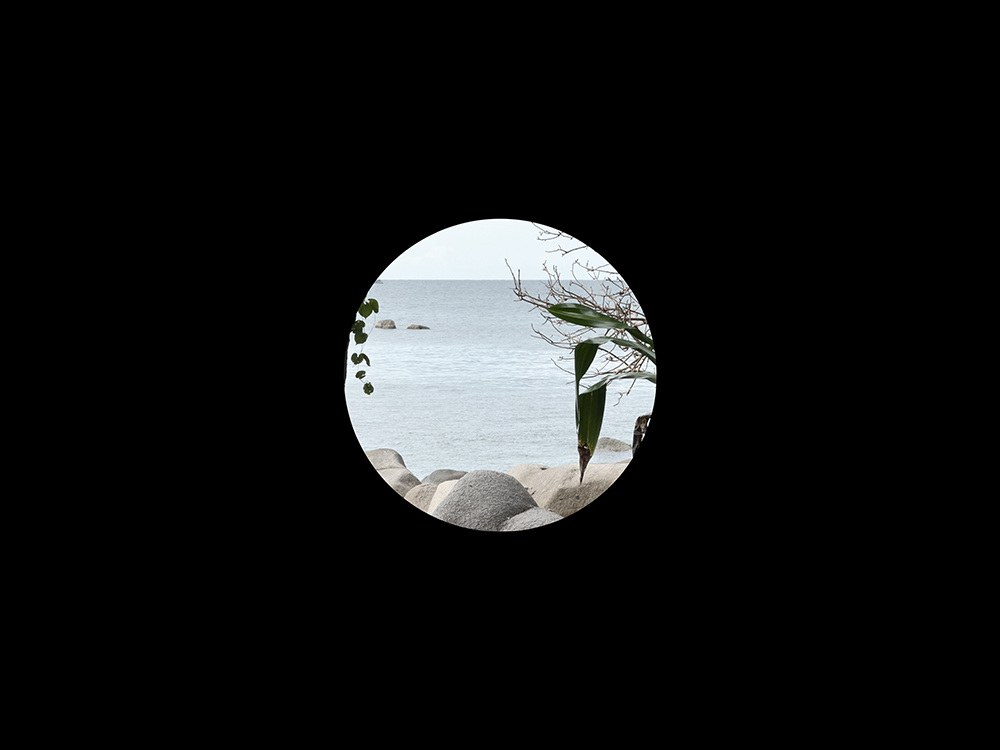
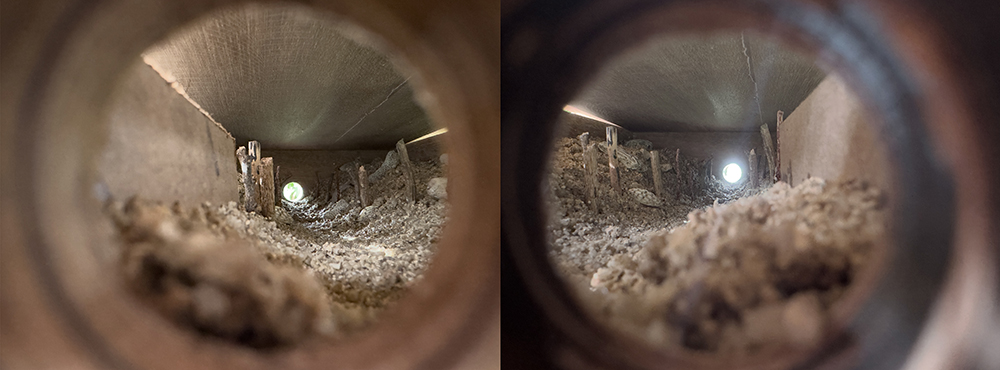
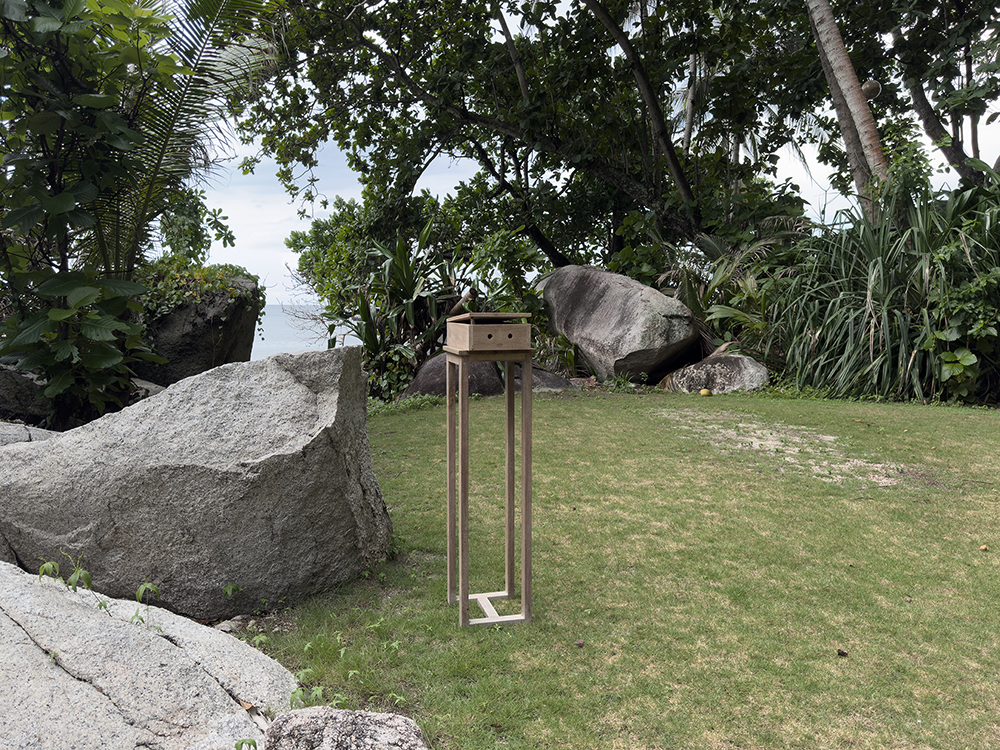
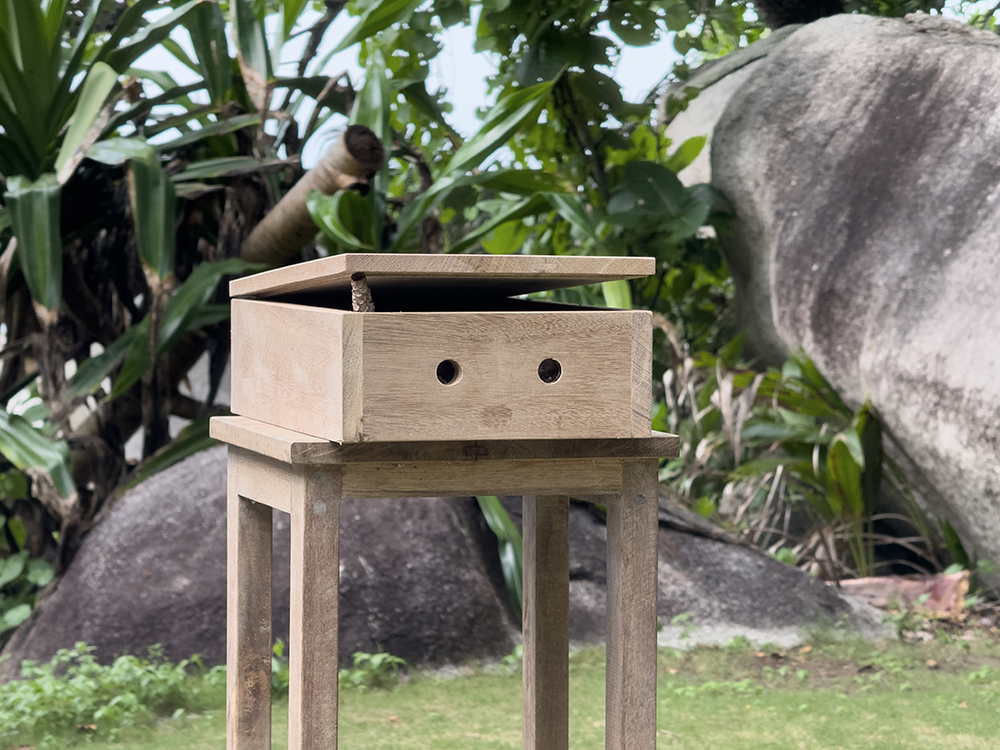
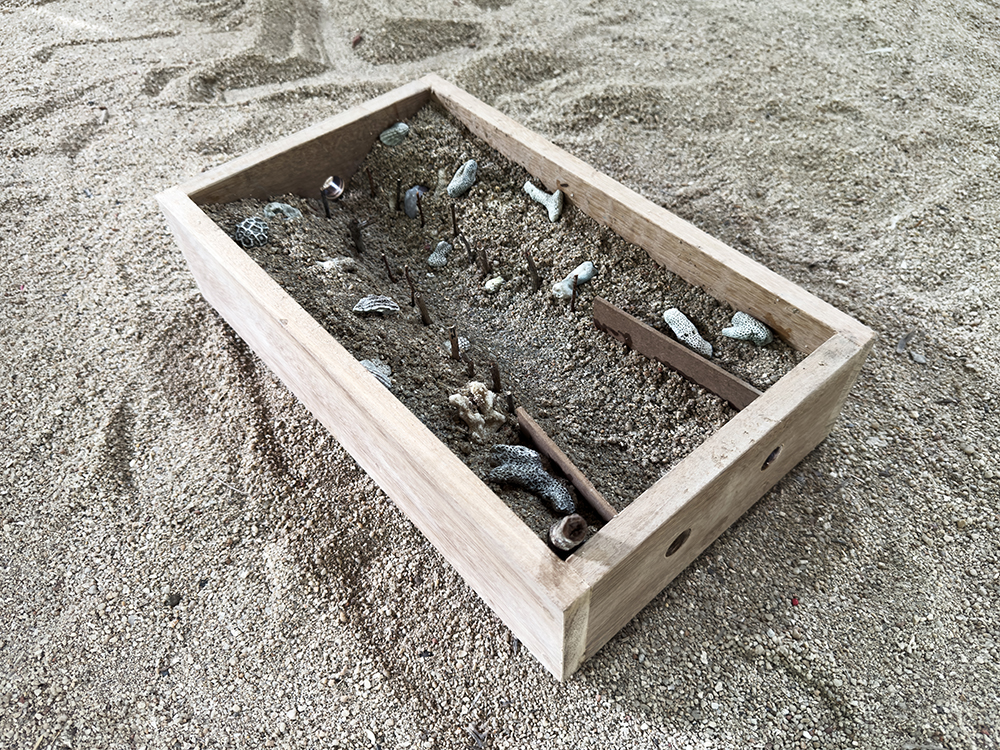
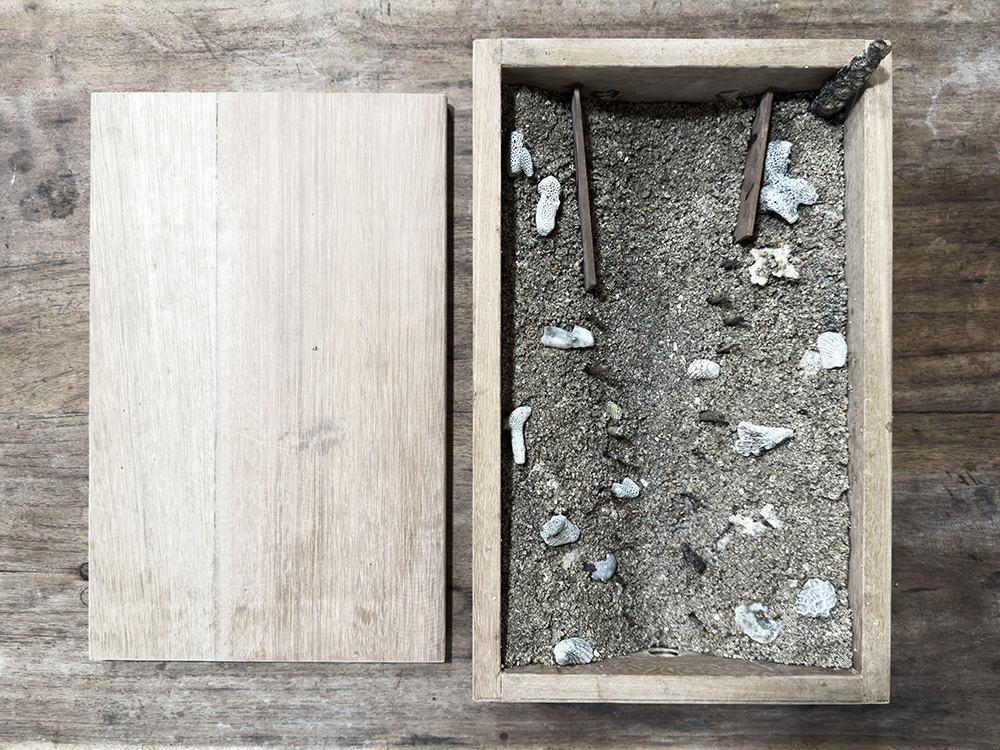
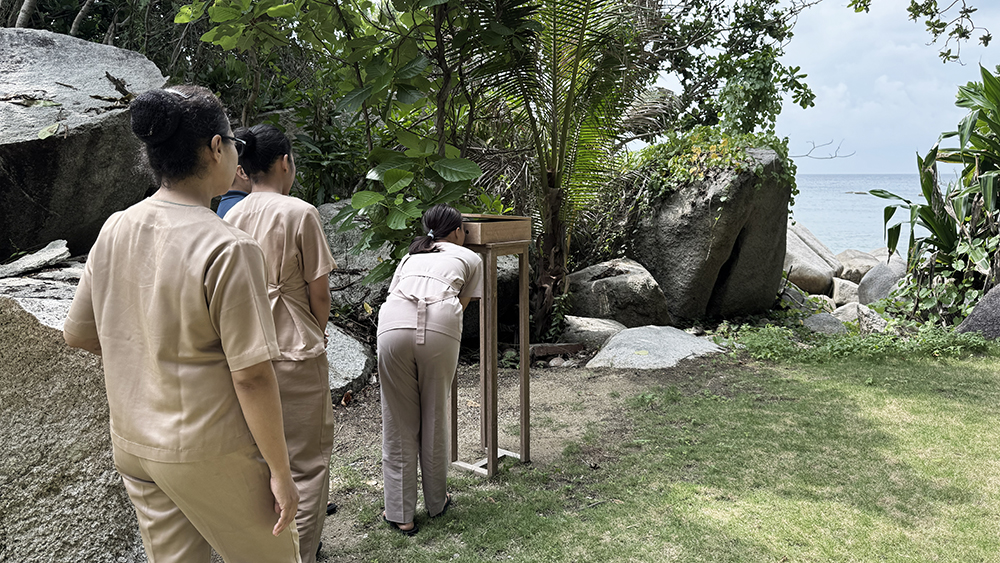
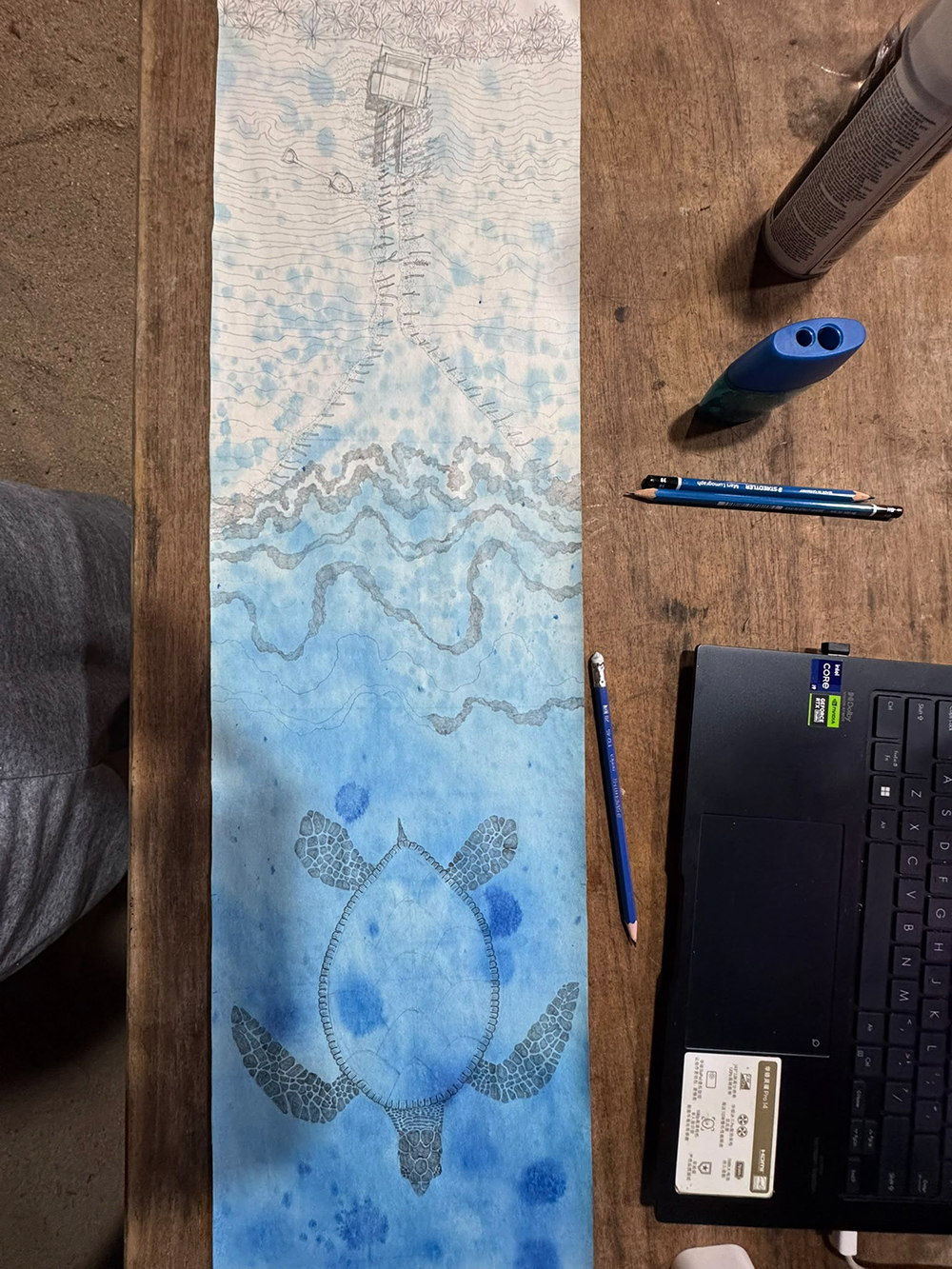
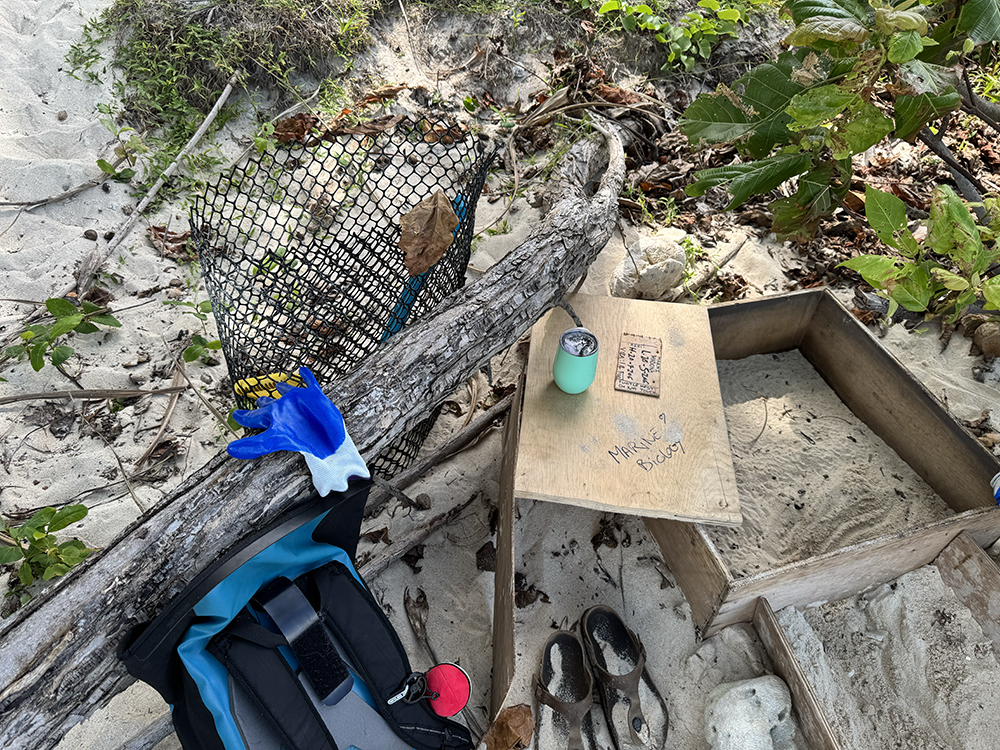
My learnings on the turtle hatching season resulted in an artistic response, made in the second week of the residency. “The Sea is Calling” is a first take on an artwork to be developed further. Seeing with human eyes, one ends up peering through the eyes of a turtle hatchling, attuning one’s senses to the sea — the light of the sky, the smell and sound of the beckoning water. It is a speculative view of the coast from the turtle’s standpoint. It can also serve as a teaching aid, since it captures the methods used to make the coast safe for turtles reaching the sea: a timber box protects the nest, with a sandy trapdoor released to let the turtles emerge; a runway is dug and smoothed into the sand (any indentation is a huge obstacle for tiny turtles to cross); stakes of fallen palm leaves shelter the runway from the sun and fence it against human feet.
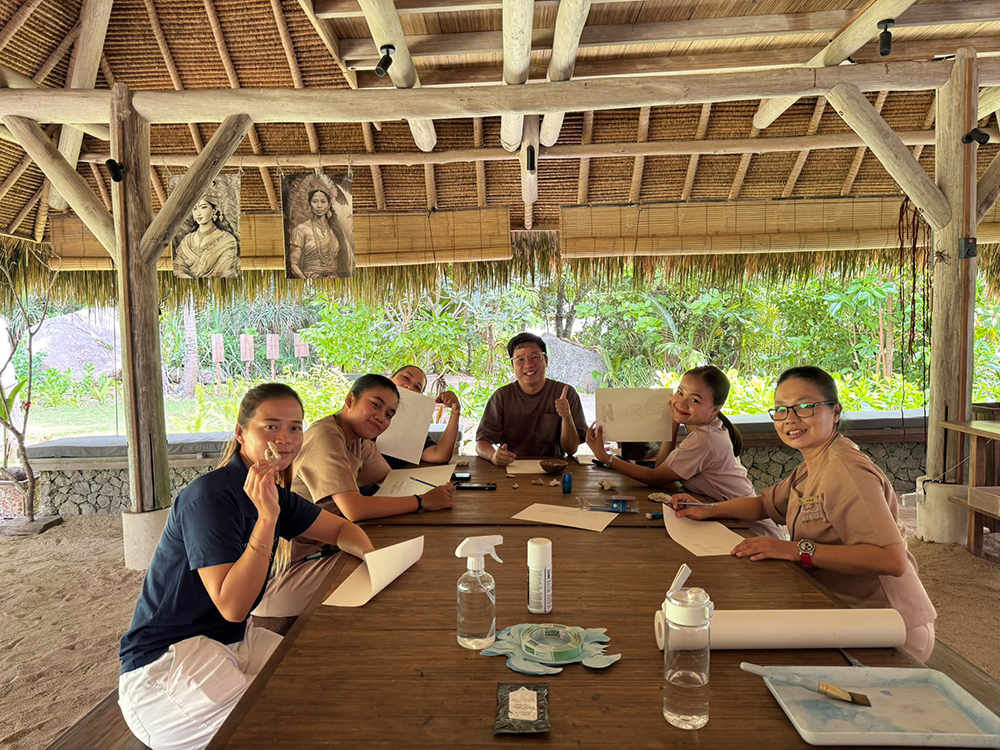
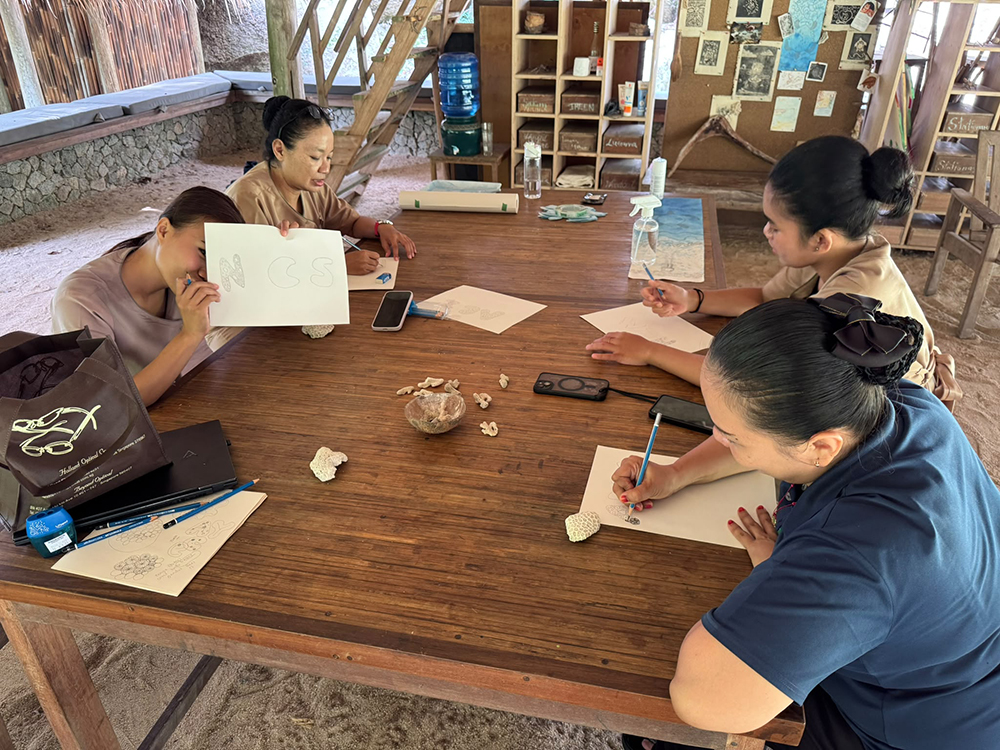
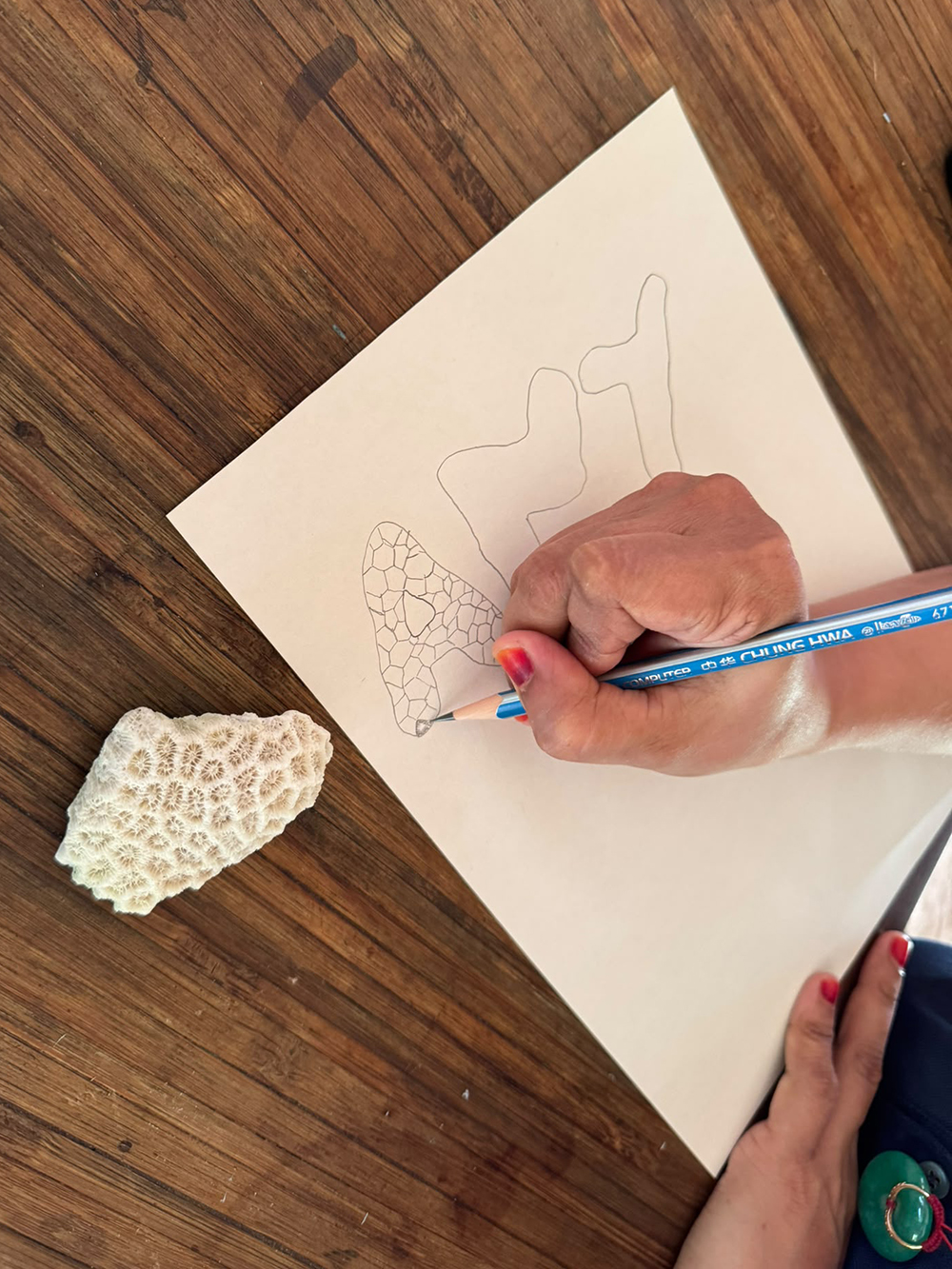
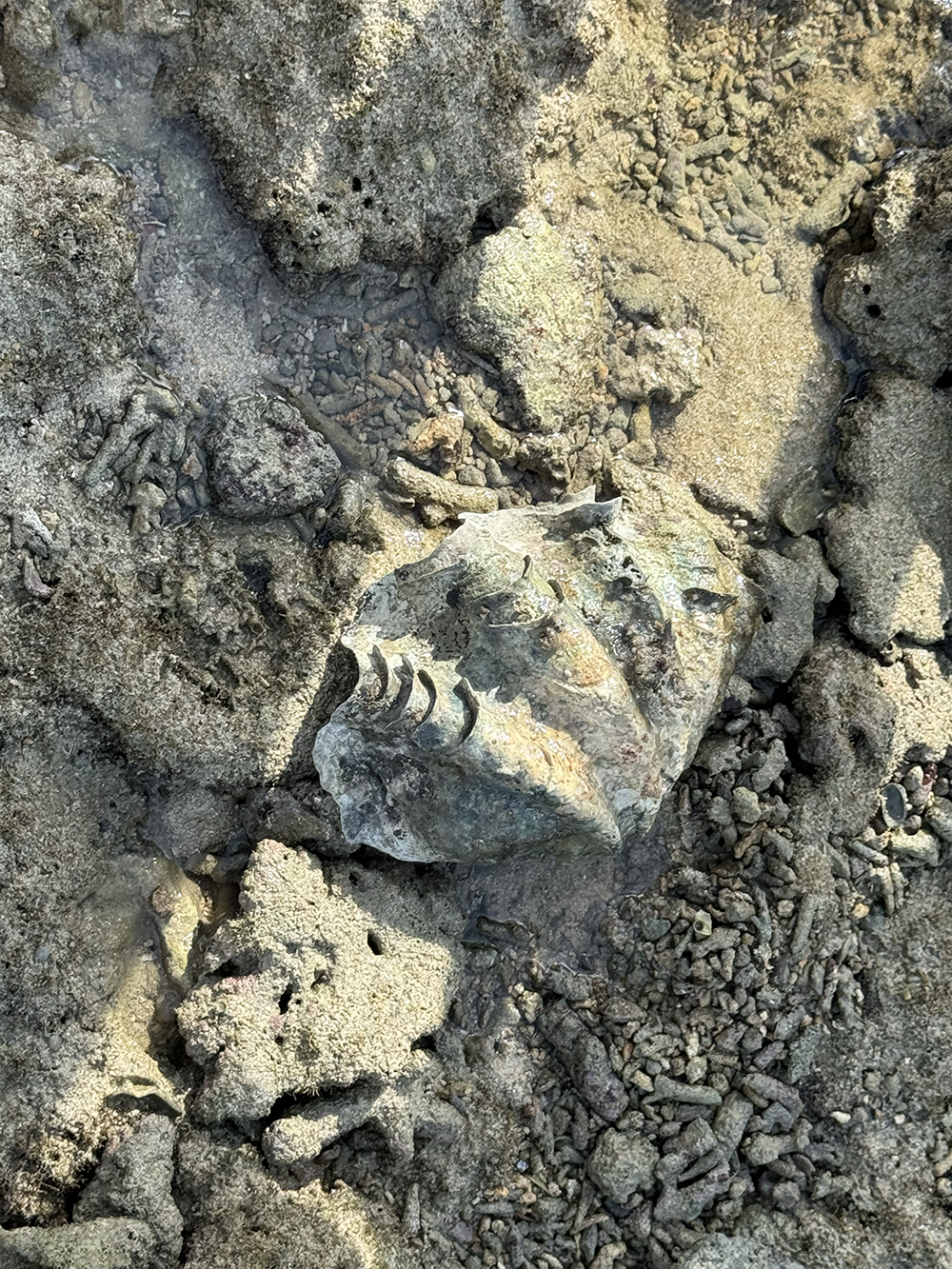
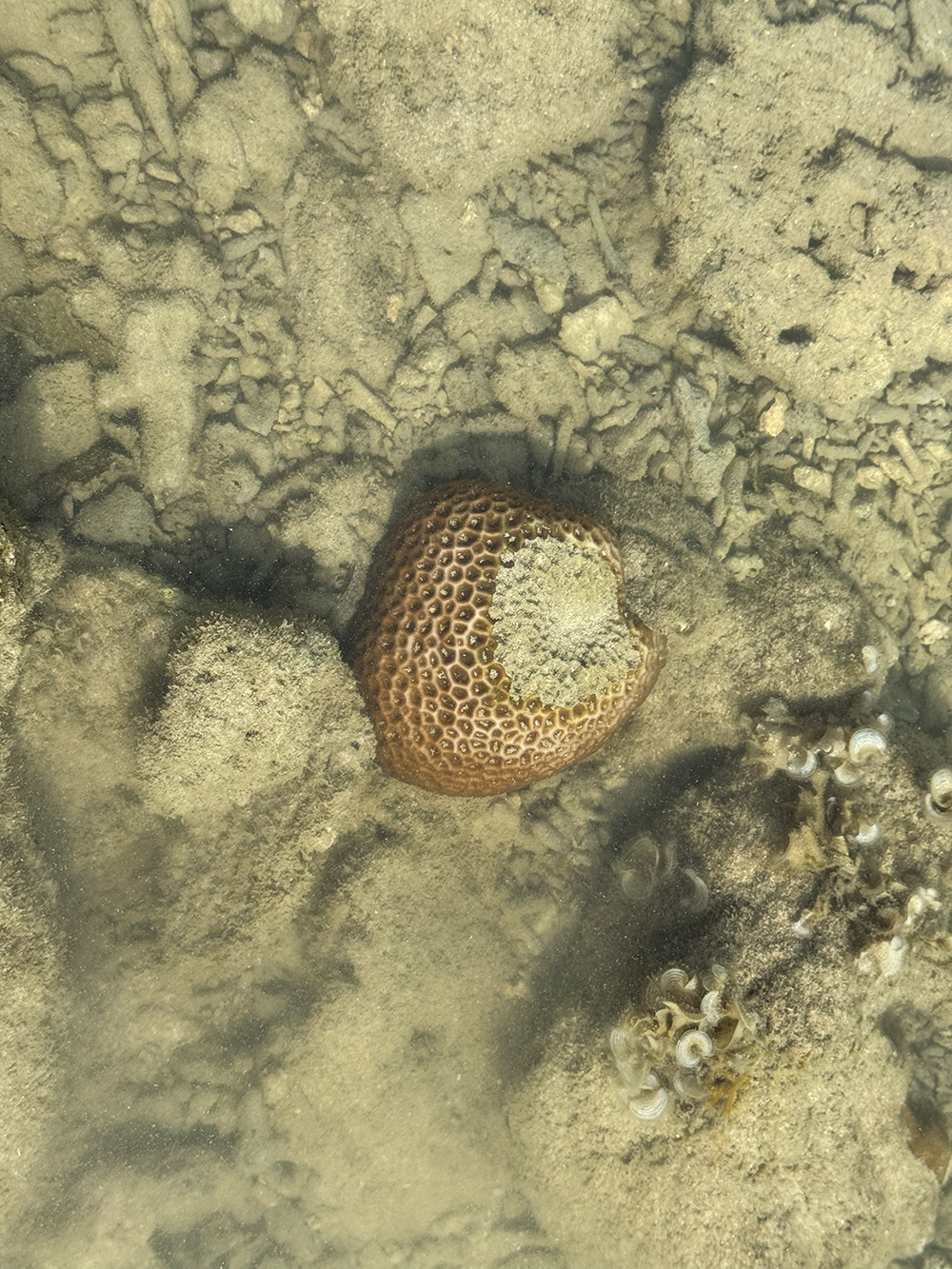
I conducted a workshop teaching the staff how to draw corals: A simpler version of coral rubble is based on tracing pieces of rubble, or playing with the alphabets in one’s name–this is a skill set suitable for children. A more complicated drawing process taught them how to trace more complex geometries of a honeycomb coral. This is an activity where the staff can challenge adult guests too. As we drew, I shared my knowledge about coral reefs, and we talked about the reefs being the turtles’ natural food and habitats.


Ubah Rumah is an art residency and archive inspired by stories of our region.


