


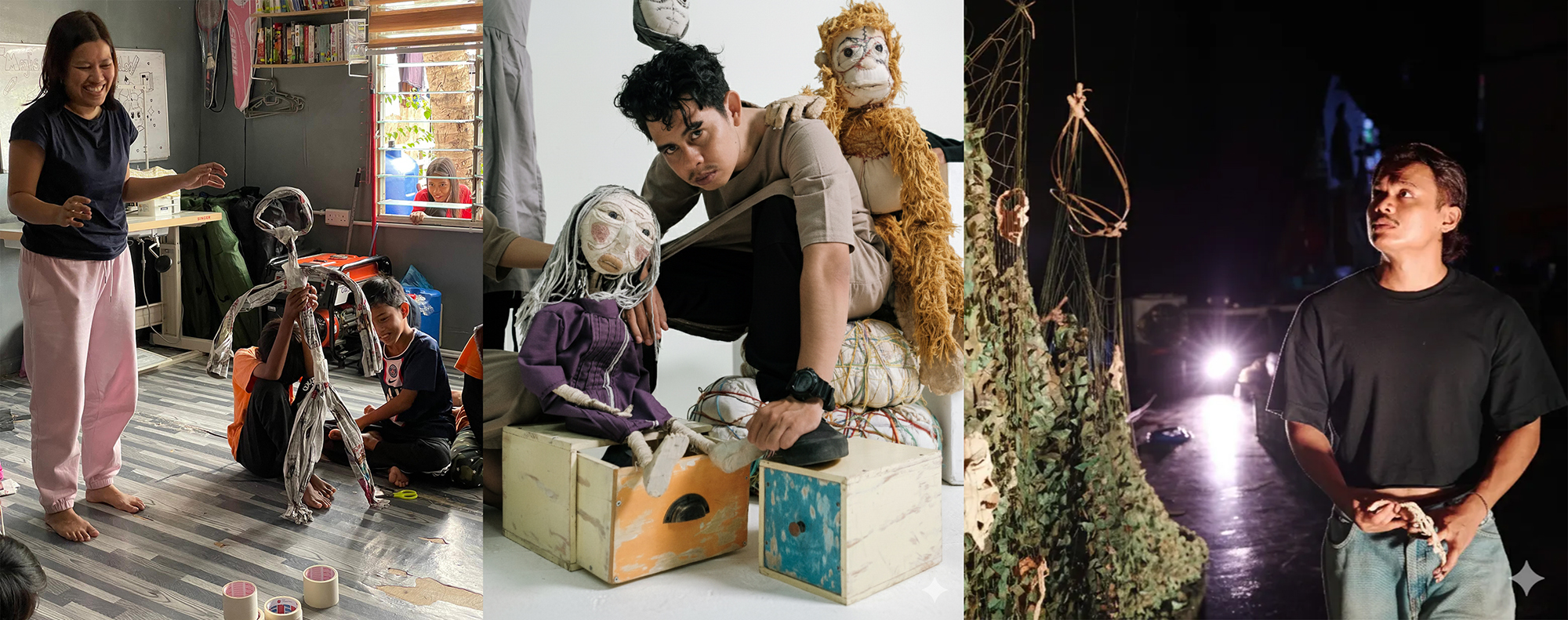
Maisyarah is a teaching artist, producer and theatre director with over 15 years of experience in theatre and 10 years of utilising theatre for teaching. Her work focuses on children, young people and diverse communities, using theatre and puppetry to build confidence, foster self-expression and foster social connection. She is the founder of Play With May, a fun-based learning programme that offers creative art and academic support for children aged 1.5 and above, and also runs the Giving Month programme, an annual crowdfunding initiative that provides free art and puppetry workshops for underprivileged communities, including urban poor, indigenous, stateless, and orphans.
Maisyarah has written and directed children’s theatre performances, including Azam the Astronaut and Tujal and the Wind. She also worked as an assistant director for children’s musical productions, including Siti Di Alam Fantasi and Pak Pandir dan Labu Ajaib, at Istana Budaya. Internationally, she co-produced with Flying Balloons Puppet, where she helped bring their productions to festivals such as Georgetown Festival and Esplanade’s Pesta Raya. In 2024, she attended the Edinburgh International Children’s Theatre Festival as a delegate and participated in the 2nd Asian Theatre for Young Audiences Meeting in Bangkok. Recently, she co-founded and curated Main Boneka Festival, Johor’s first puppet festival in collaboration with Kelab Bandar Kita Johor Bahru and Universiti Malaysia Kelantan.
IG: playwithmayandco
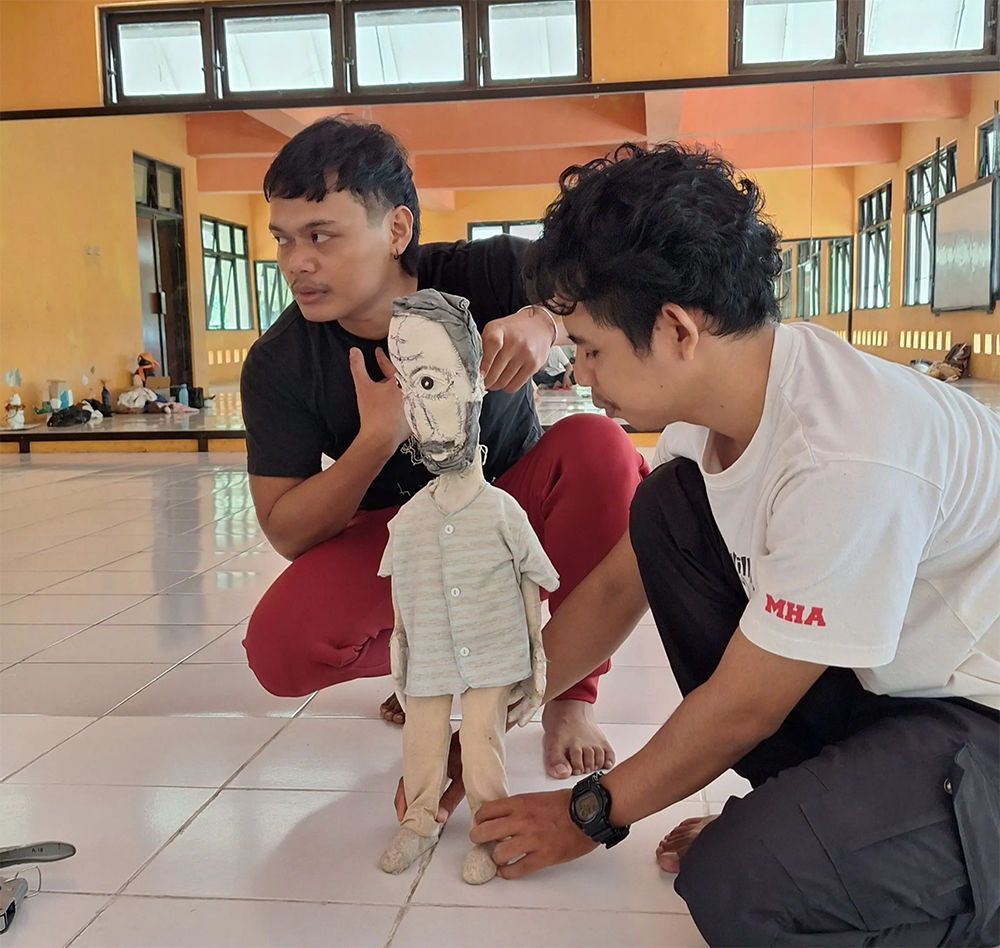
Flying Balloons Puppet is a dynamic performance group that seamlessly blends the art of puppetry with the exploration of body and space. Founded in Yogyakarta in 2015, Flying Balloons creates performances where objects narrate, and stories provoke, using puppetry to uncover human emotion through tactile materials and visual poetry. Their works bridge craftsmanship and contemplation, and aspire to ignite a new wave of creativity in puppetry.
IG: flyingballoons.id | @flyingballoons.puppet
Founder of Flying Balloons Puppet
Actor, Director, Puppet Artist
Rangga Dwi Apriadinnur founded Flying Balloons Puppet in Bantul, Yogyakarta, in 2015. Graduated from the Art Institute of Indonesia Yogyakarta with a major in Acting in 2018, he directs many of the company’s productions (solo and collaborative) and is known for integrating puppetry, object theatre, non-verbal storytelling, and everyday spaces to explore ecological, memory, and identity themes.
Dramaturg, Director, Performer, Puppet Artist
Jefri Mugi is an Indonesian multidisciplinary artist exploring the intersection of body, memory, and landscape. A graduate of the Indonesian Institute of the Arts Yogyakarta, he works across performative puppetry, physical theatre, and installation. Through Flying Balloons Puppet, Jefri examines migration and ecological interdependence, creating transformative performances where myth, material, and movement converge.
The proposed collaborative artwork centers on the development of The Girl Who’s Afraid of Everything, a new collaborative project exploring fear and curiosity.
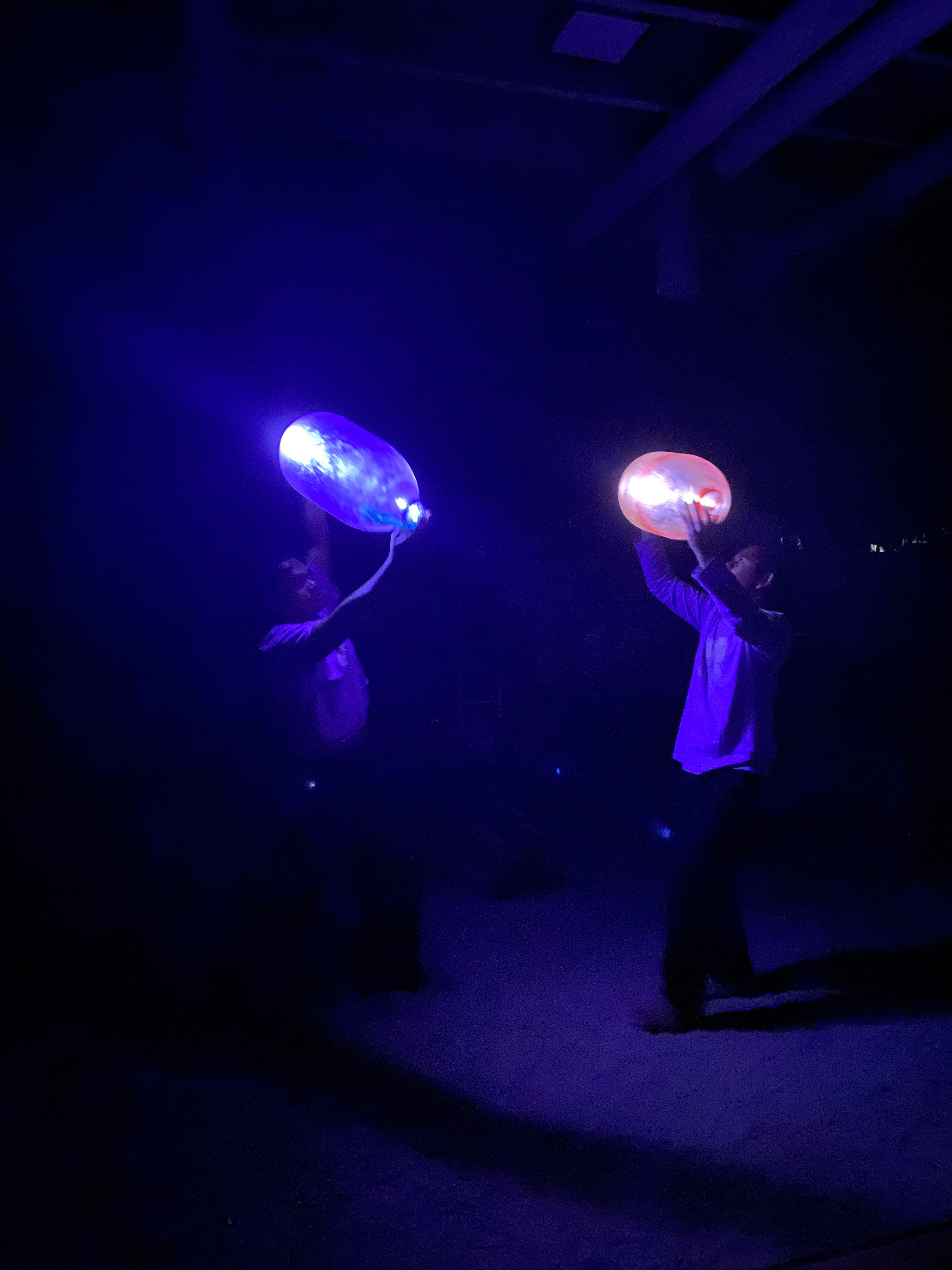
During the residency, Malaysian theatre director Maisyarah Mazlan will focus on developing narrative structures, designing characters, and exploring interactive strategies to create an immersive and emotionally meaningful experience for young audiences. The Flying Balloons team from Indonesia will create objects, an installation, and a puppet exploration inspired by materials found on Nikoi Island, combined with textiles brought from Jogja. Through movement research, sound exploration, and site-responsive experiments, the project reframes the island itself as an active collaborator that will shape the gestures, textures, and emotional landscape of The Girl’s journey.
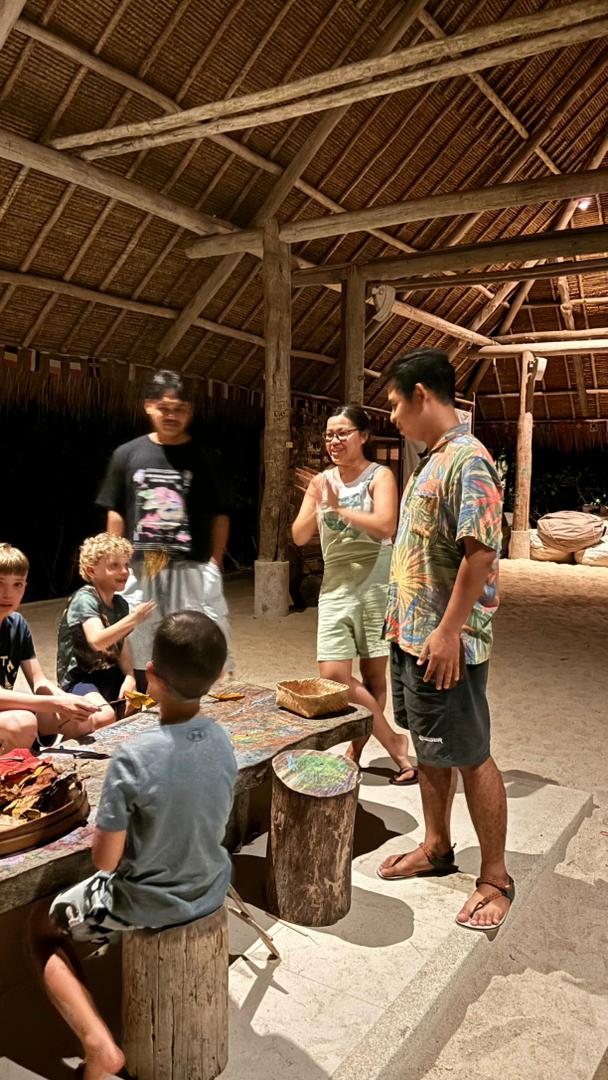
The residency includes workshops designed for children and Nikoi staff. Children will participate in small nature expeditions, gathering objects from the island and transforming them into creations shaped by their imagination, while exploring fears kids generally experience and turning them into something imaginative and unexpectedly fun. The artists plan to conduct workshops for Nikoi staff to support the creation of an installation that will later be completed with the objects and artworks created during the kids’ workshops. These sessions create opportunities for knowledge exchange, foster connection with the island’s environment, and introduce participants to accessible creative practices rooted in material and exploration.
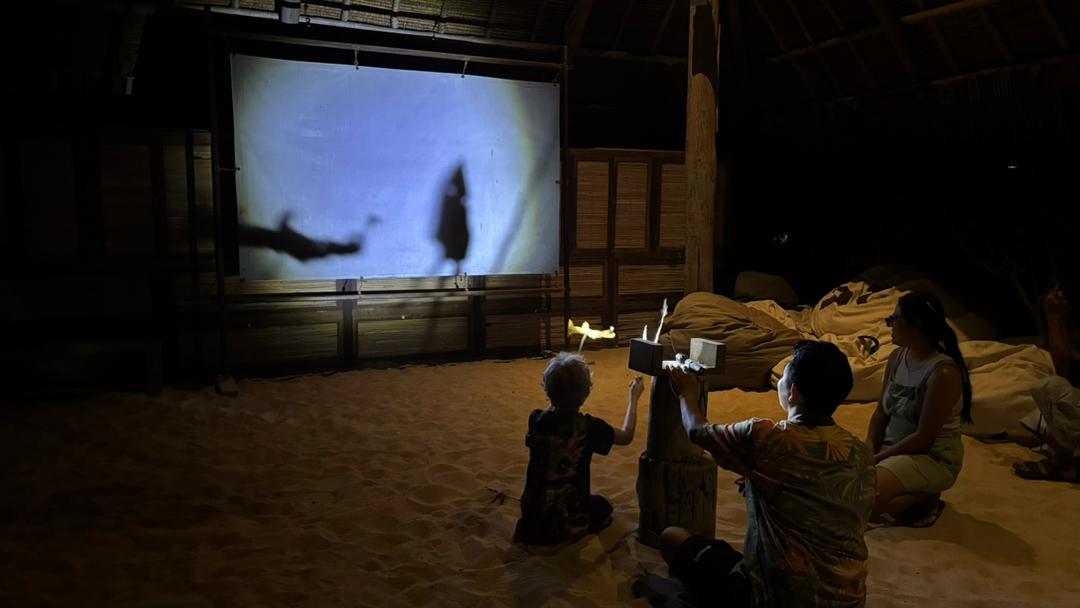
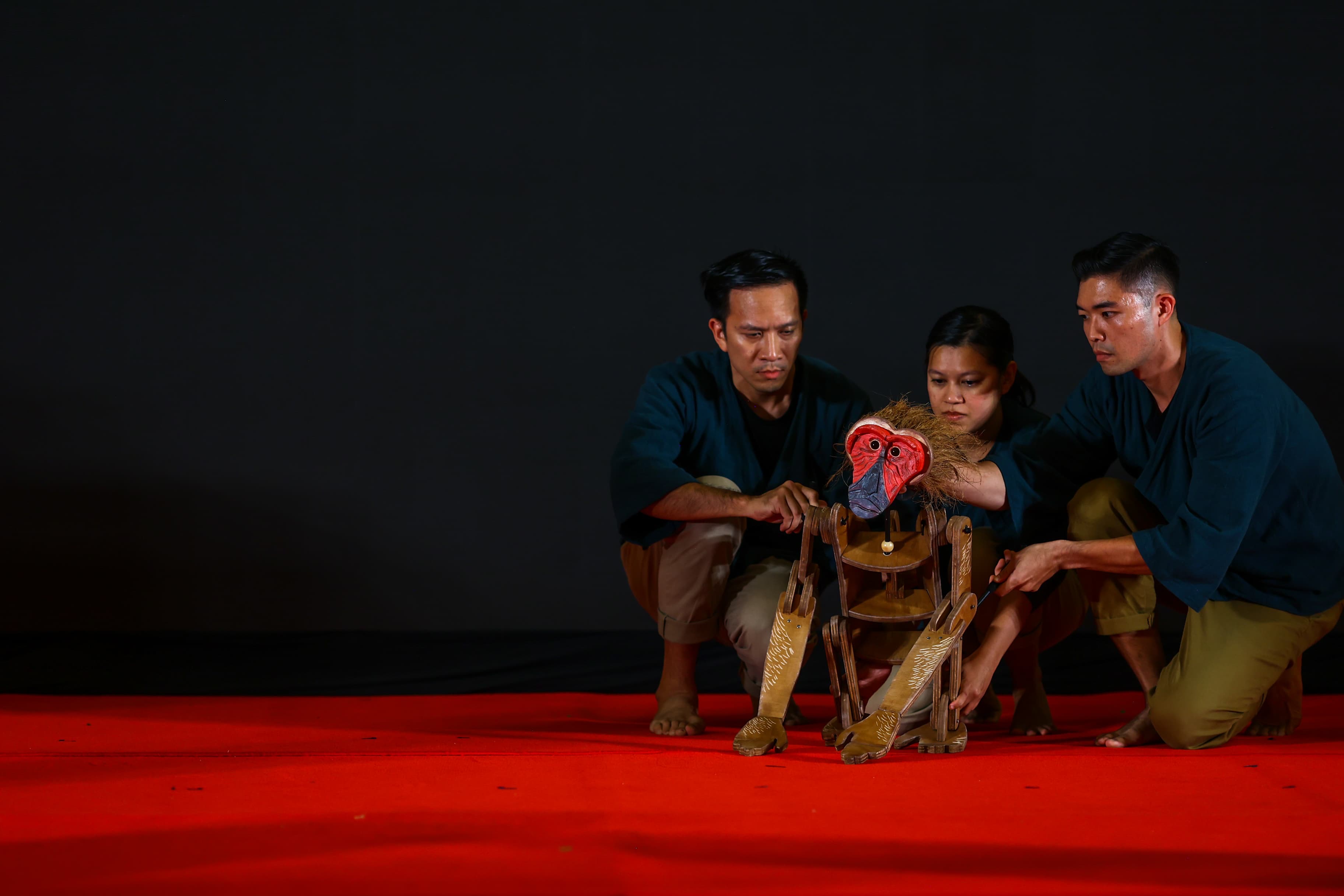
The Girl Who’s Afraid of Everything (TGWAoE) is a work-in-progress contemporary performance designed for children aged three years old and above. Collaborating with Flying Balloons Puppet, this non-verbal performance uses body movement and puppetry to portray phobias faced by children. This performance aims to make children feel acknowledged when they watch it. It is also an invitation for parents to figure out how they can help their children to overcome their phobias.
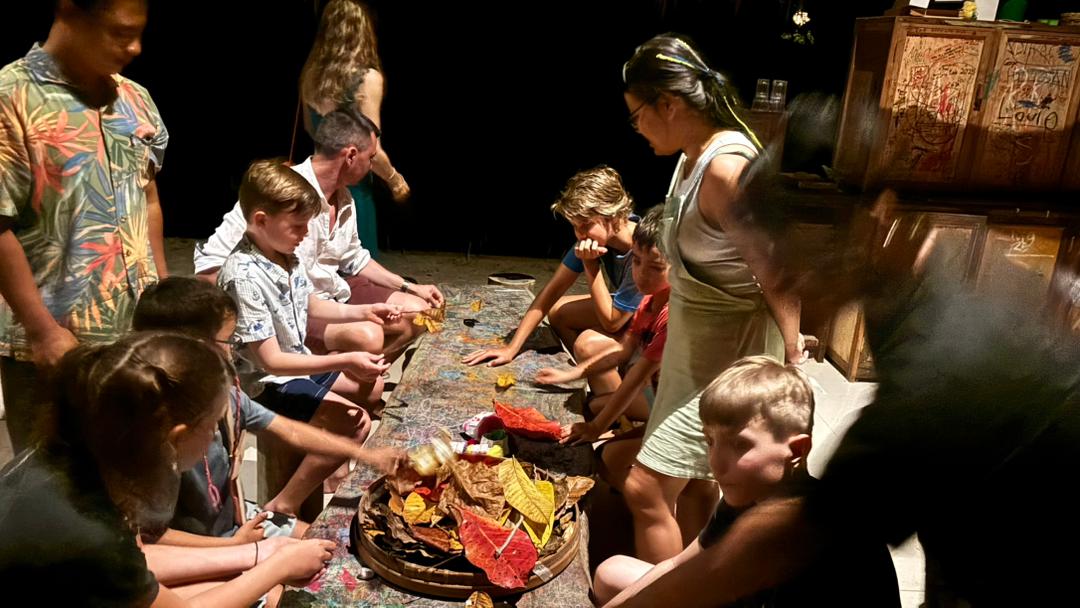
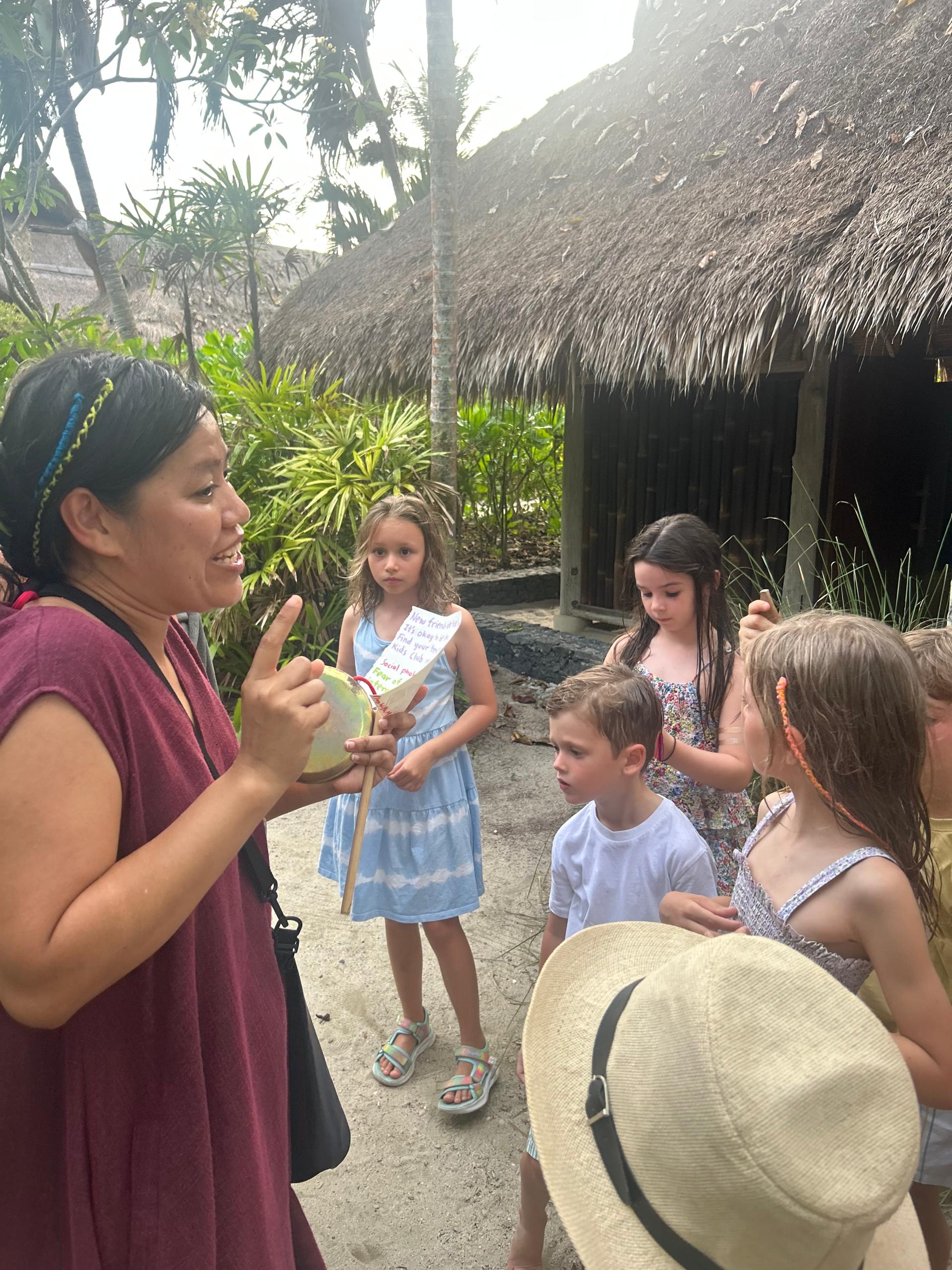
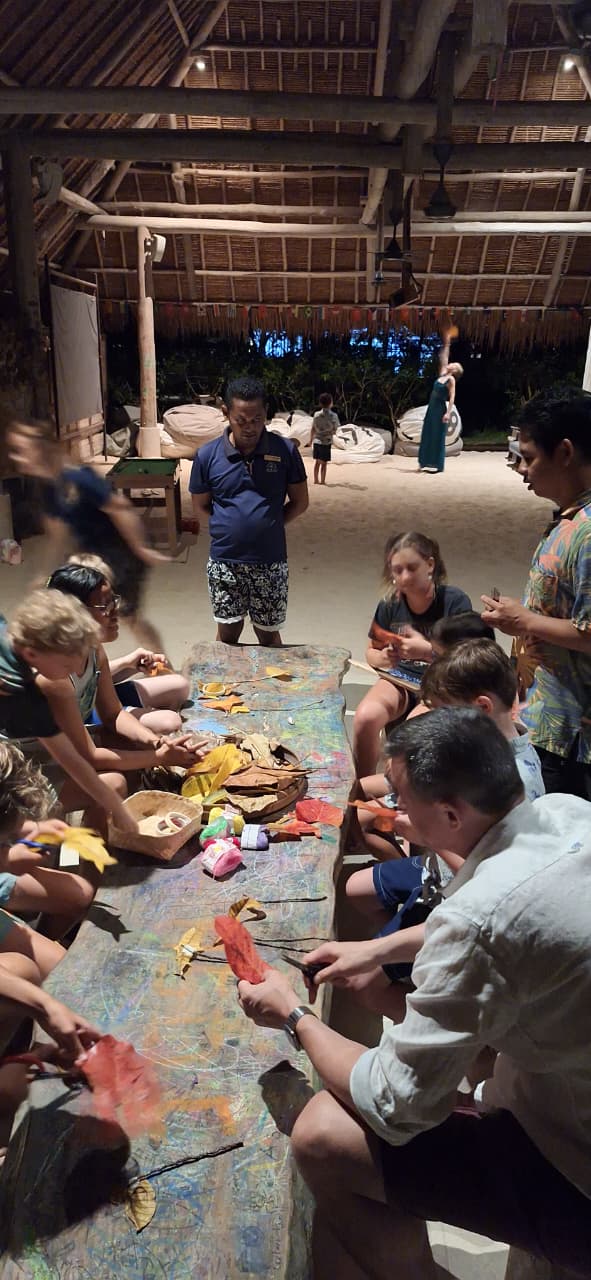
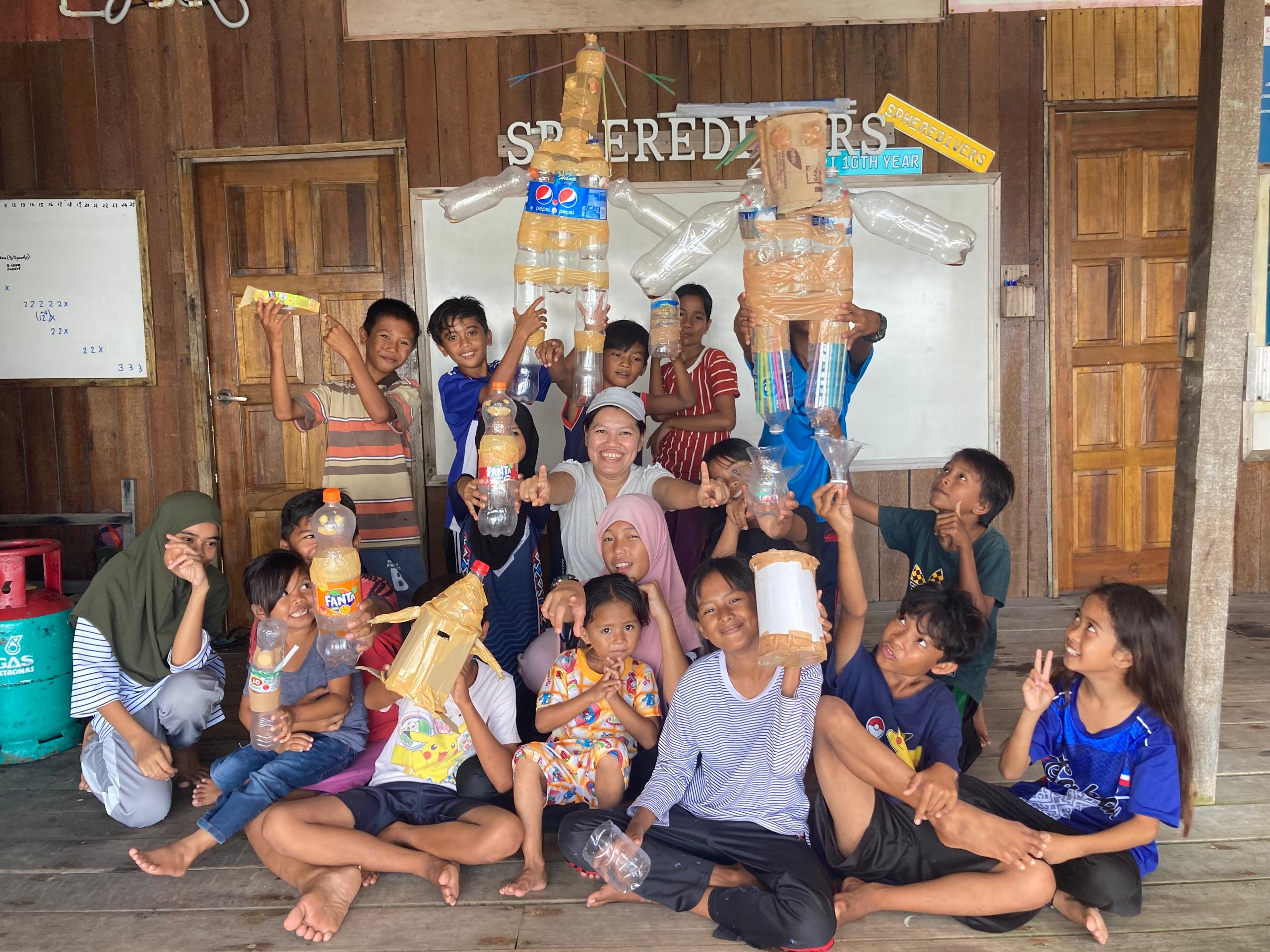
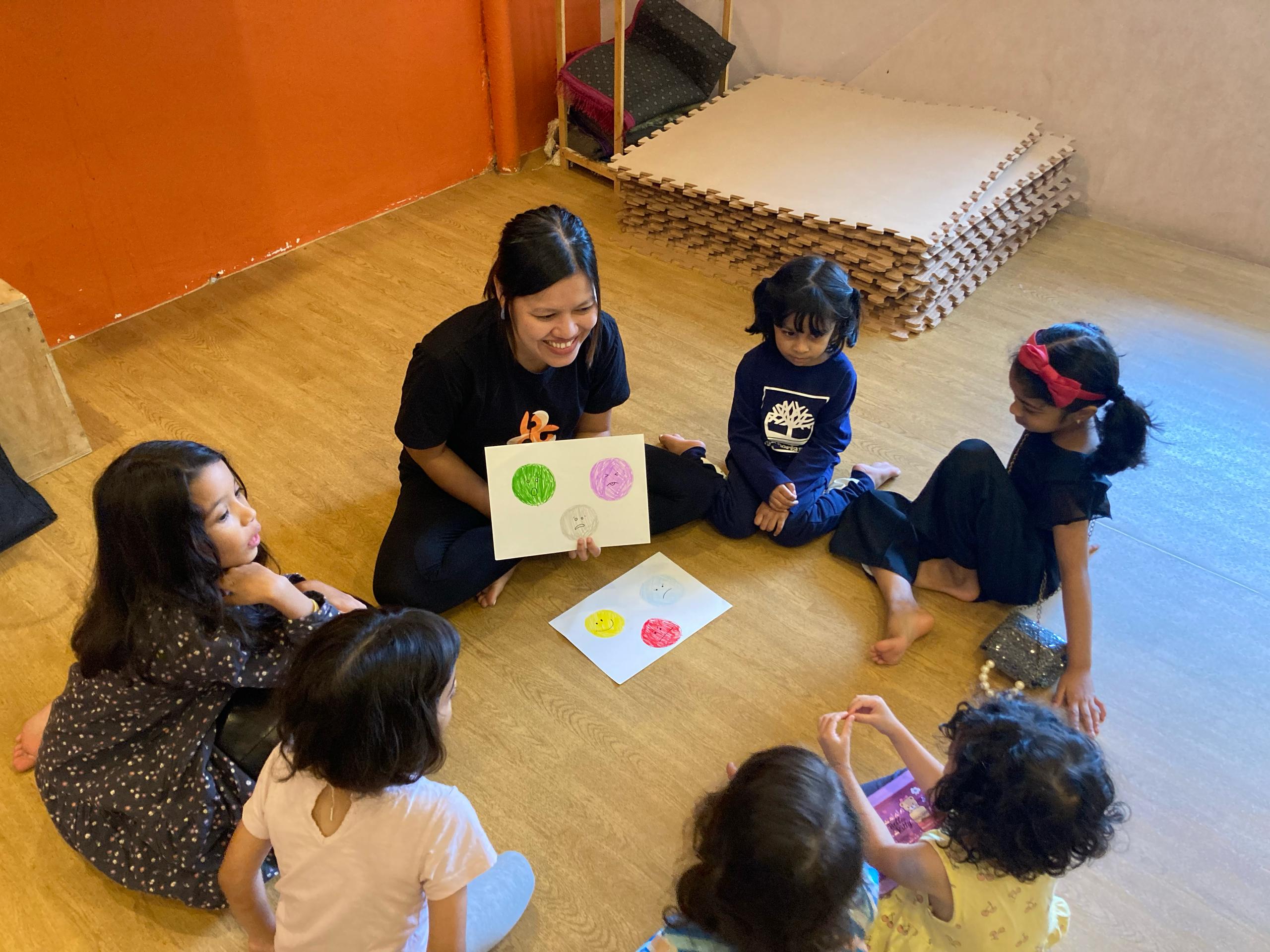
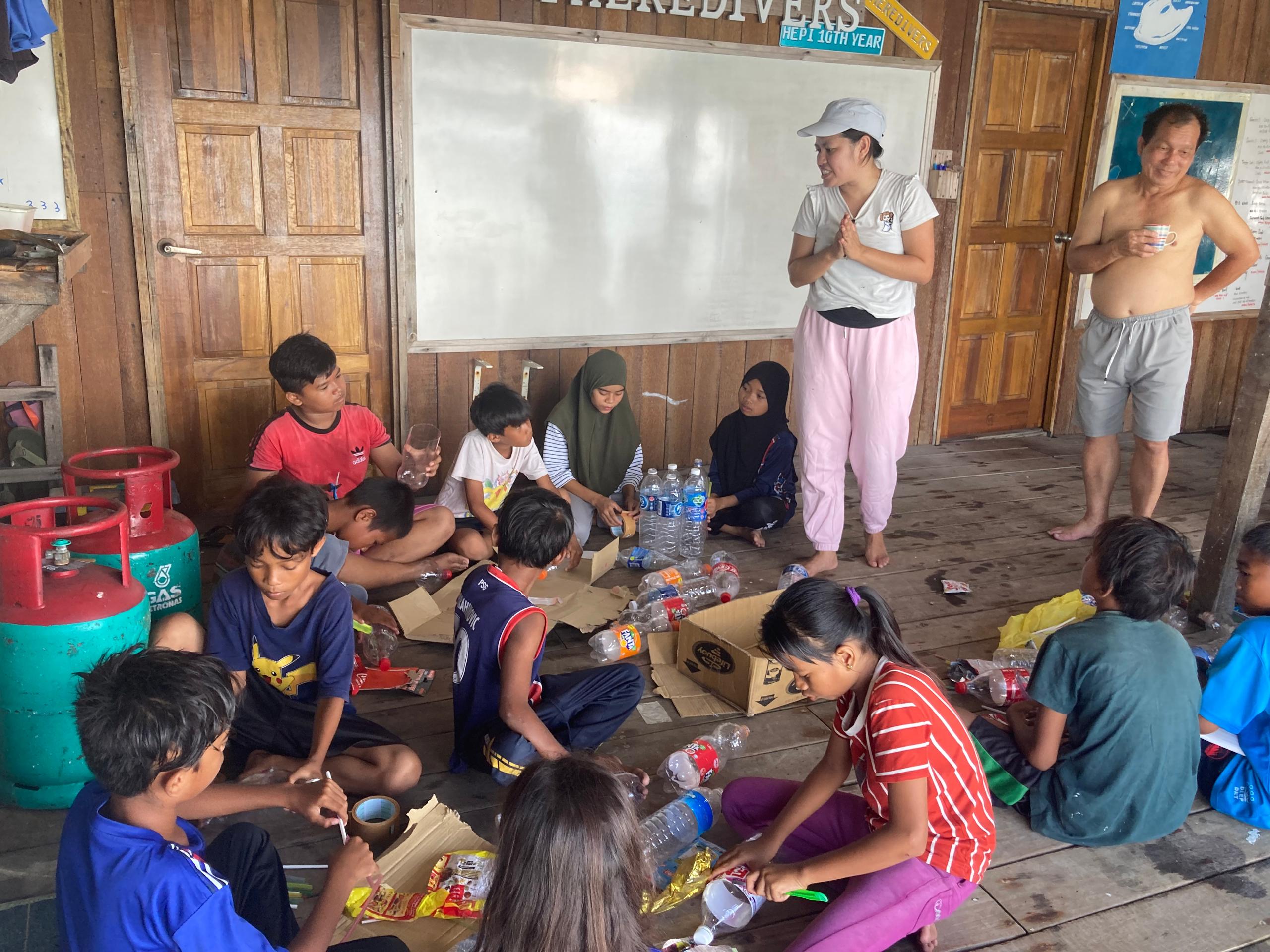
During our residency, family-friendly workshops were offered to the guests of Nikoi Island:

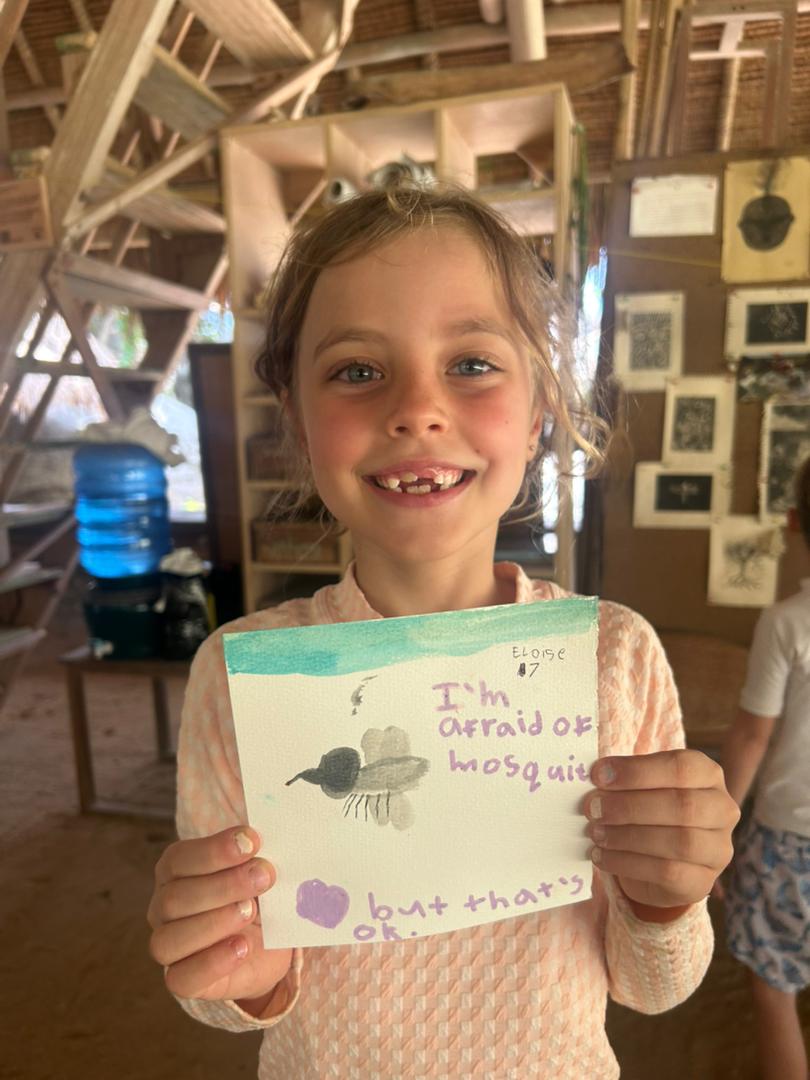
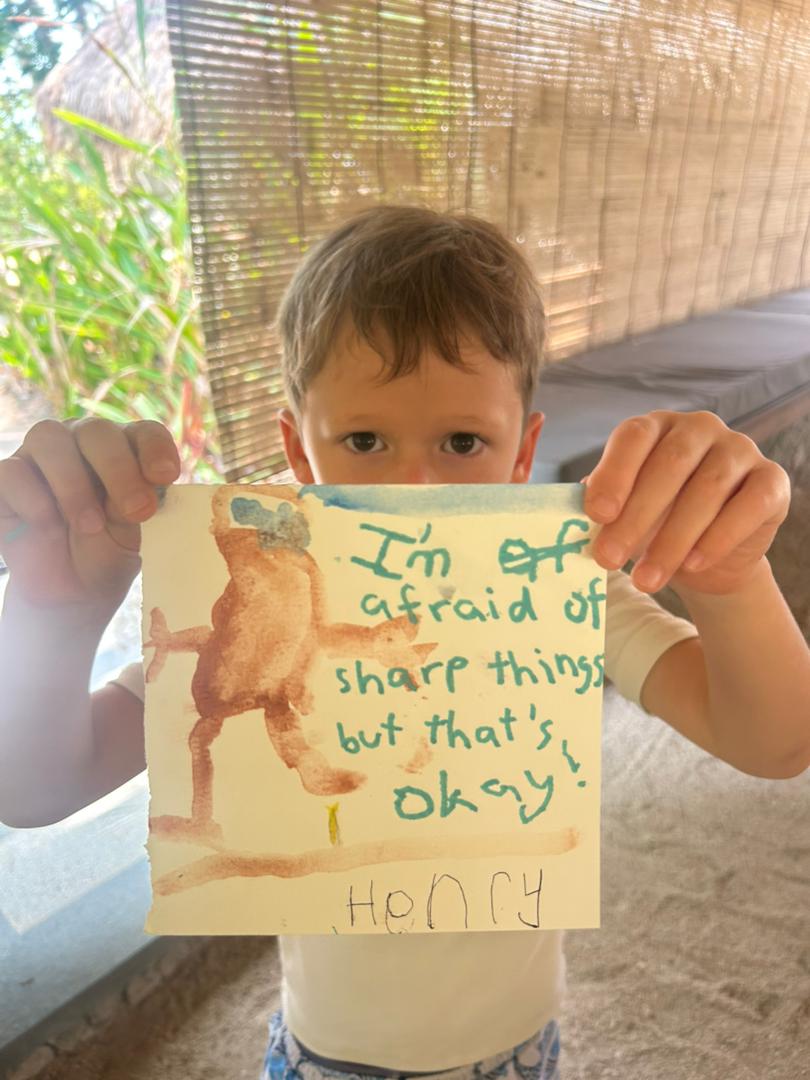
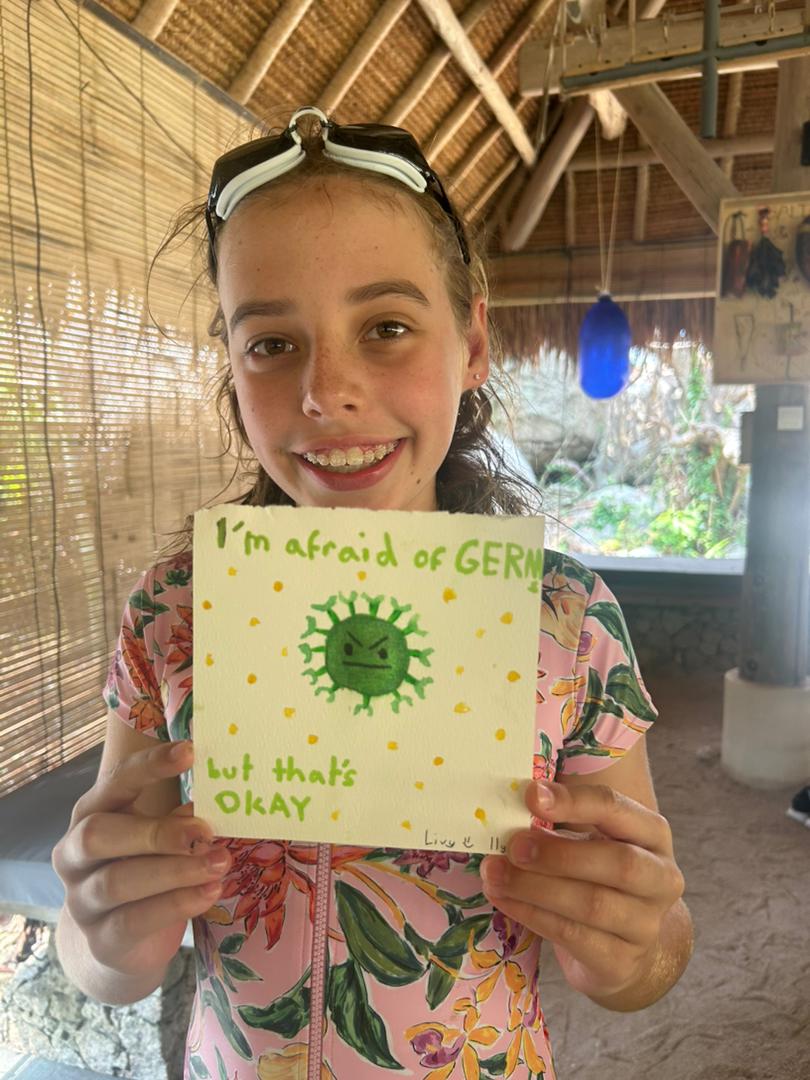
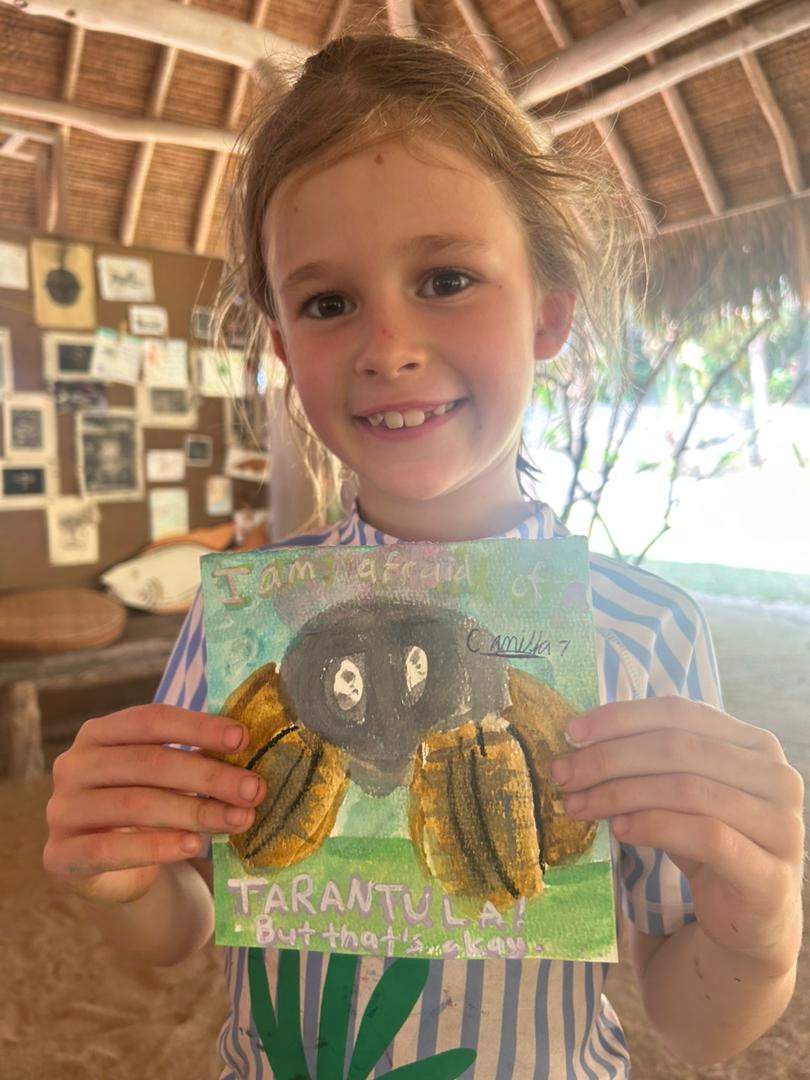
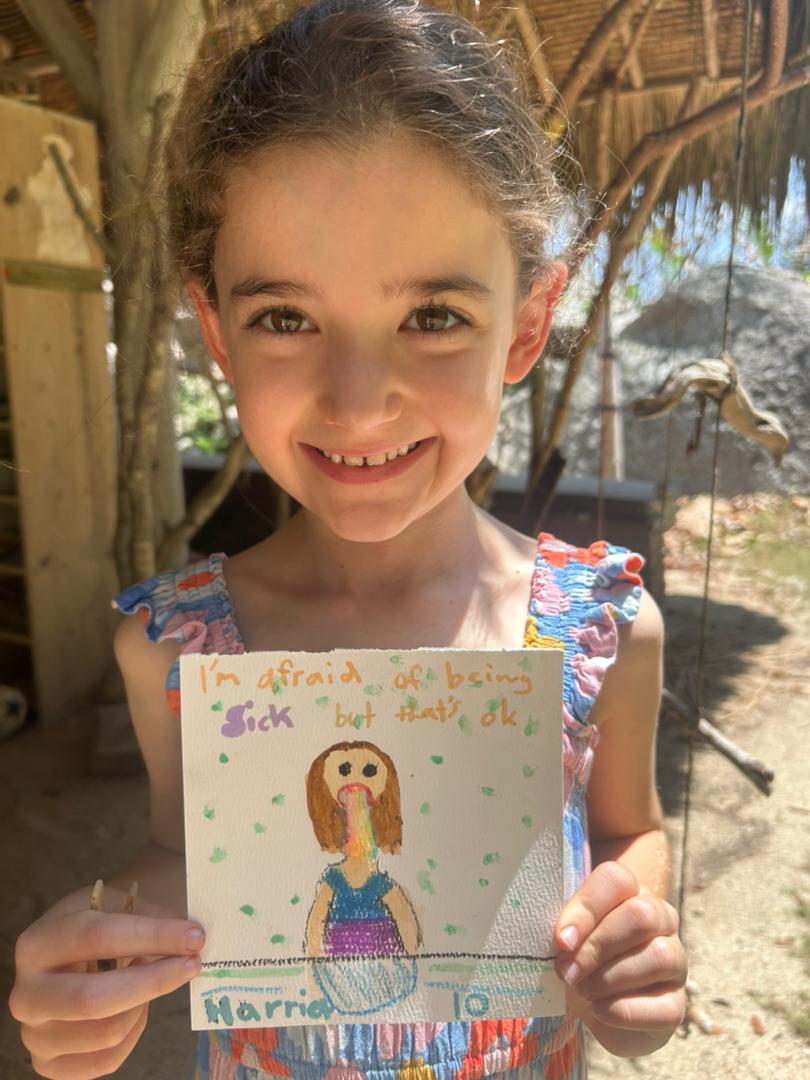
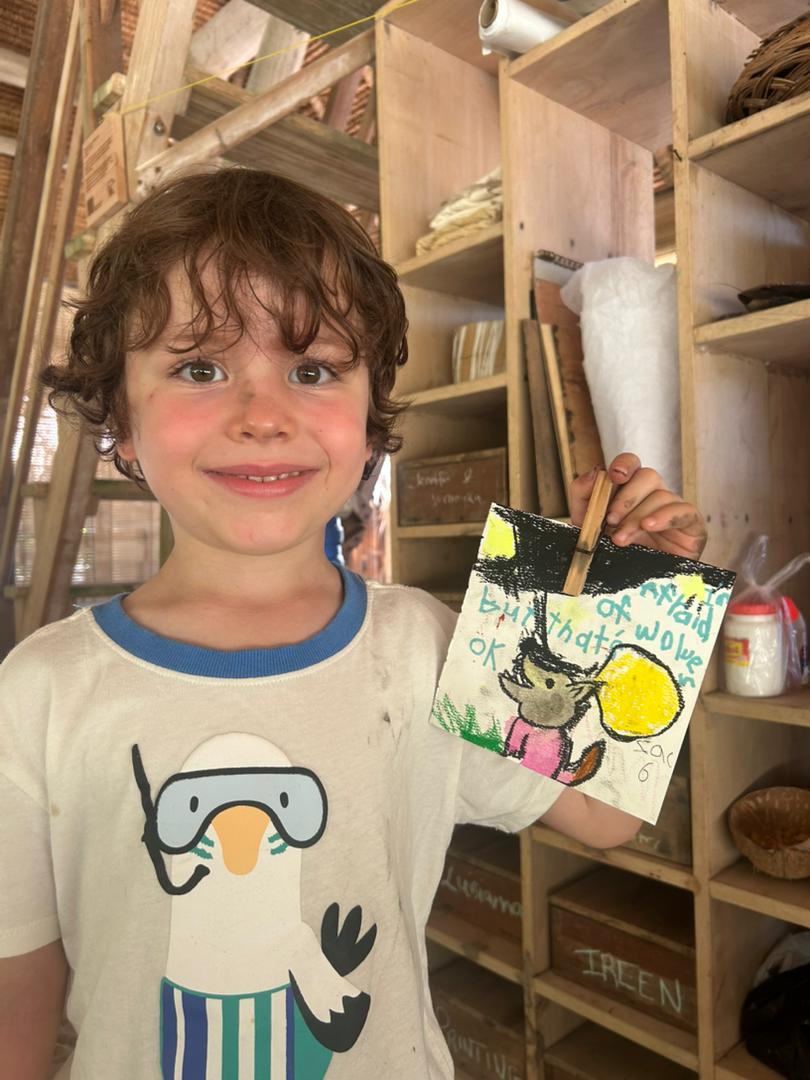
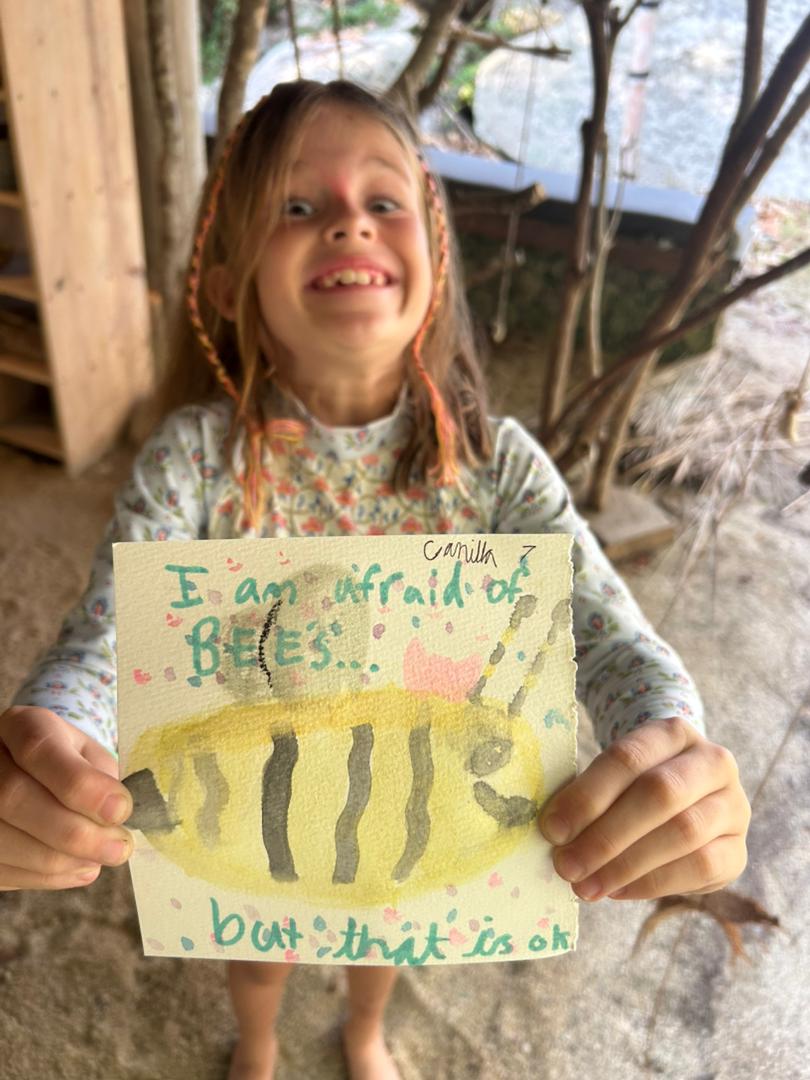
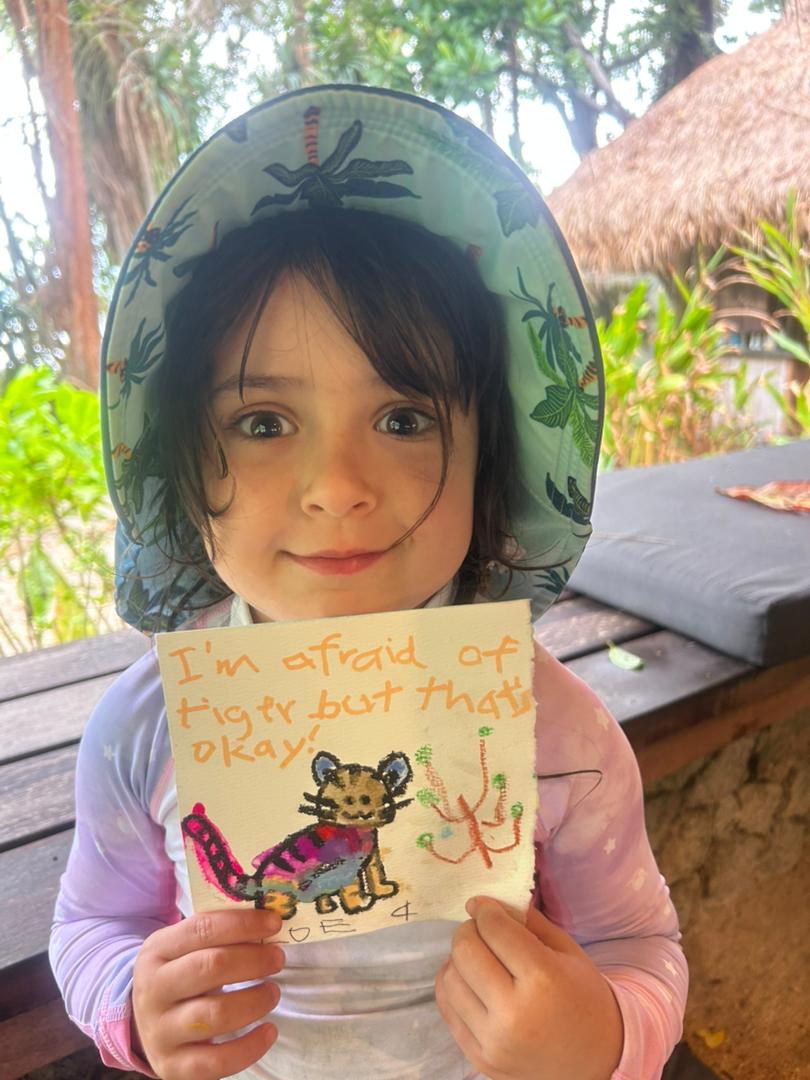
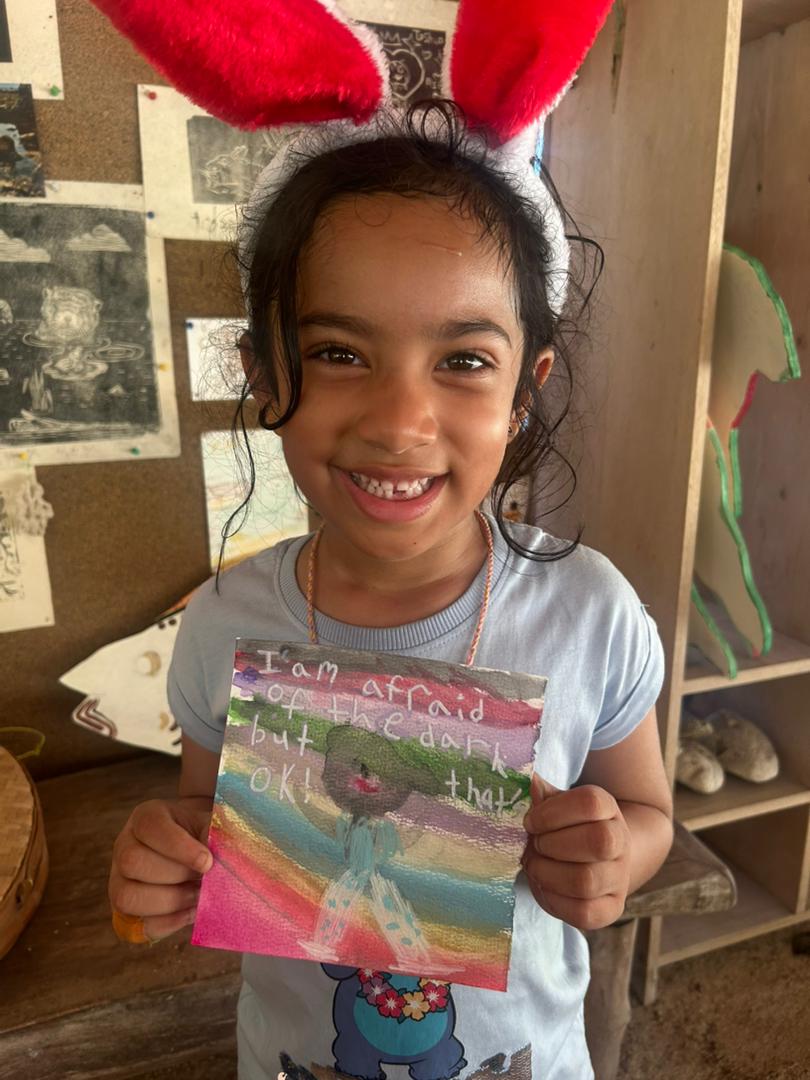
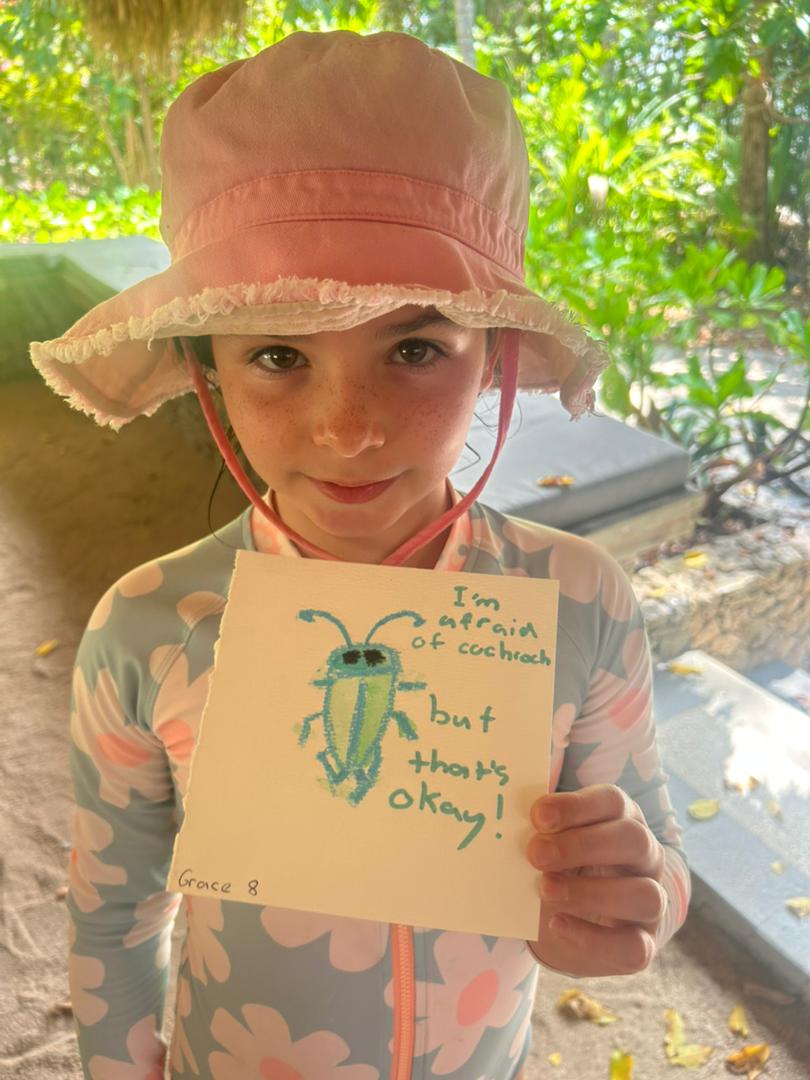
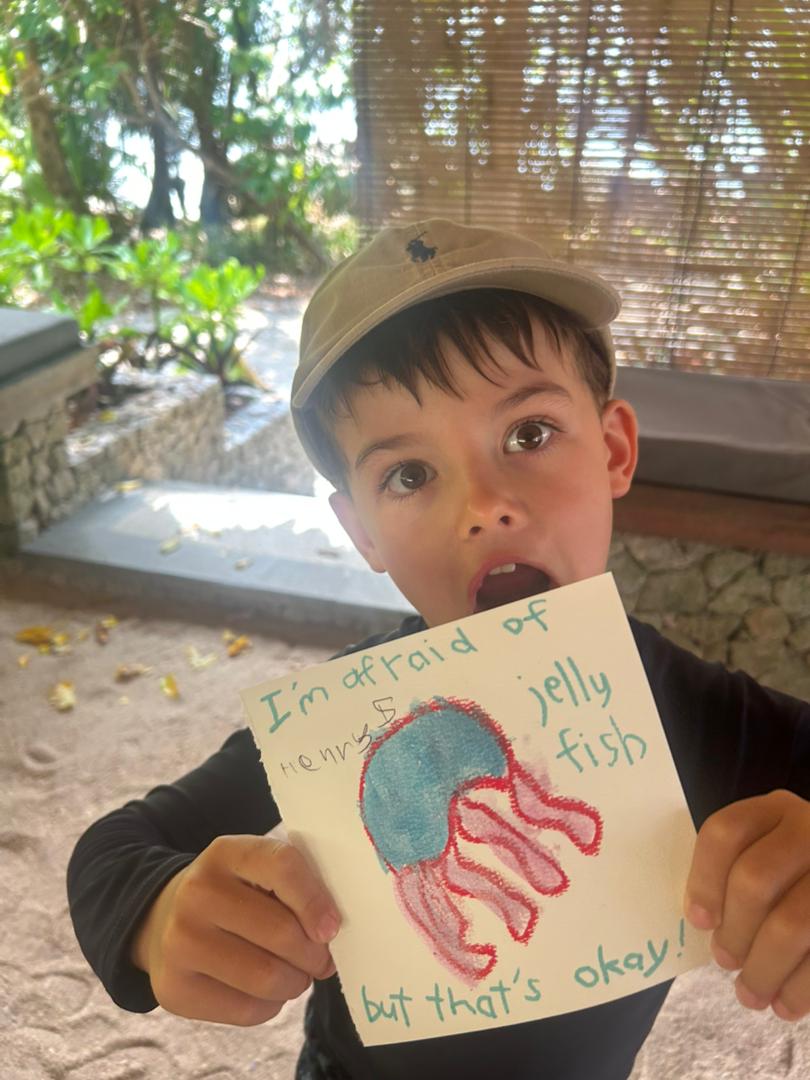
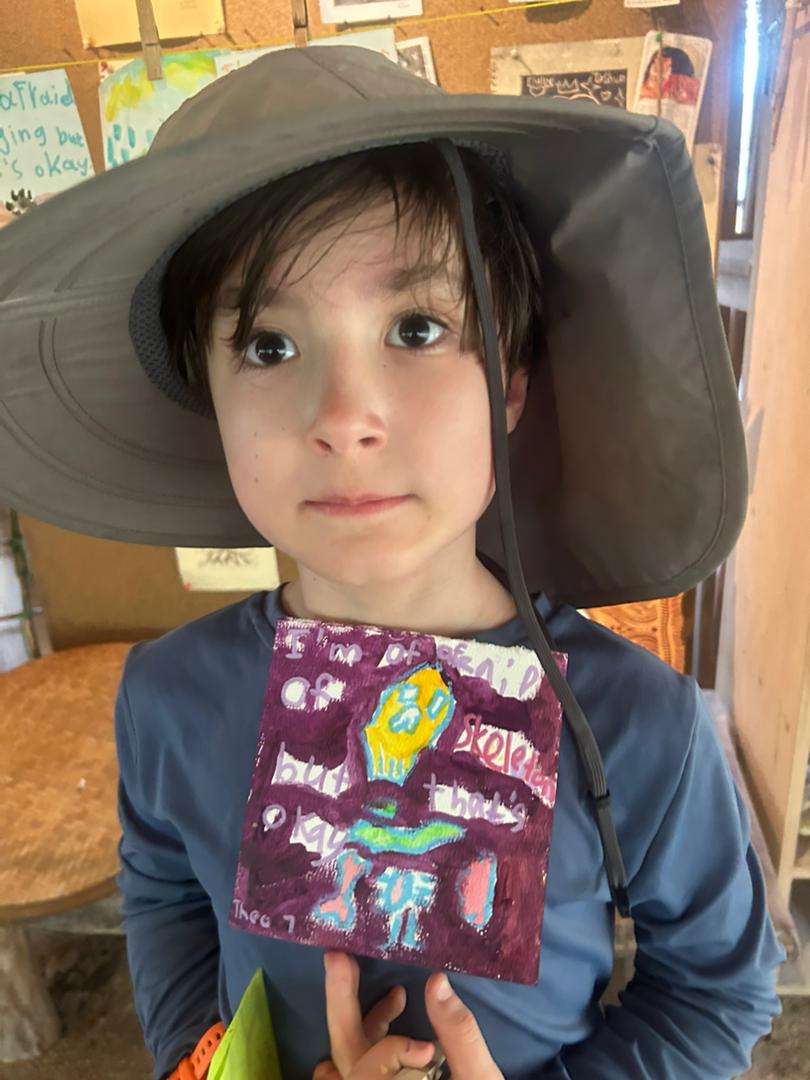
During the residency, 29 phobias were collected from participants aged 4 to 11. Animal phobias were the majority shared by the participants, suggesting that something that can be seen physically as dangerous and can move unpredictably are commonly feared. On the other hand, some fears like dying or being sick have deeper emotional layers and connection to real life experience. During the workshops, a safe and non-judgemental space was provided to encouraged children to have open communication about their phobias, but also acceptance and emotional release.
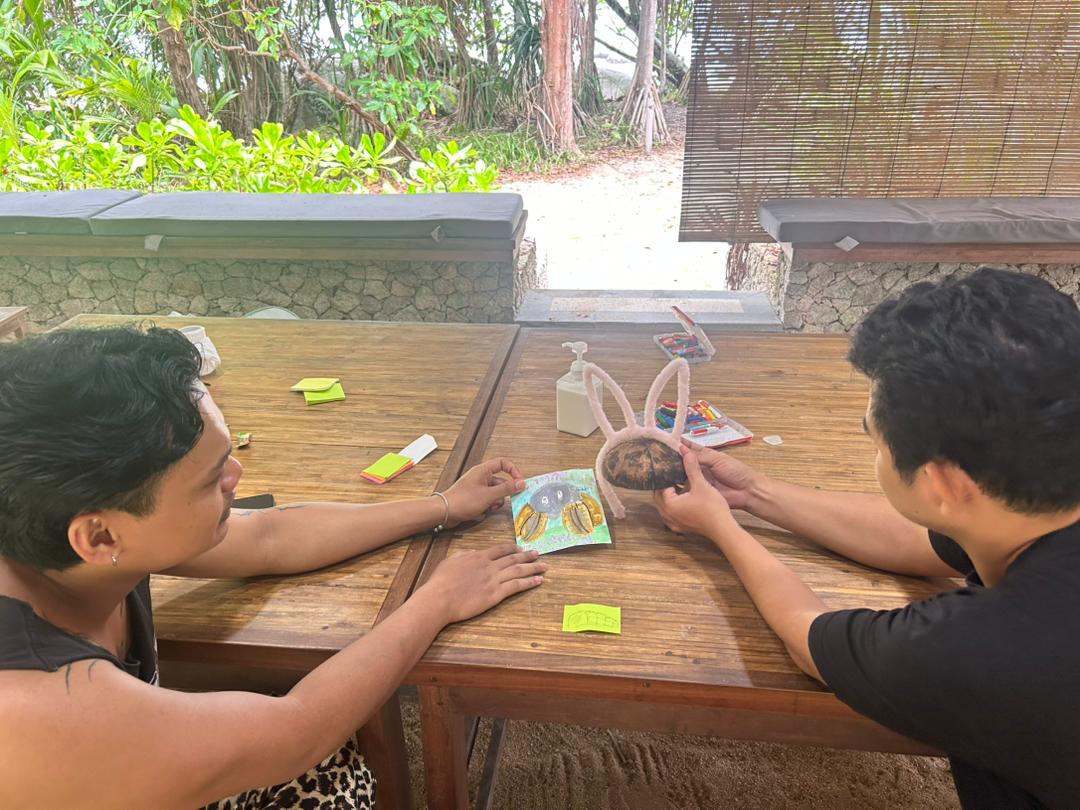
A set of clue cards with paintings and names of different phobias were made during this residency. These clue cards are to be used by Nikoi’s Kids Club crews whenever desired during their daily treasure hunt activity with the children who stay at Nikoi Island. While enjoying the activity, children can learn the names of phobias in a fun way.
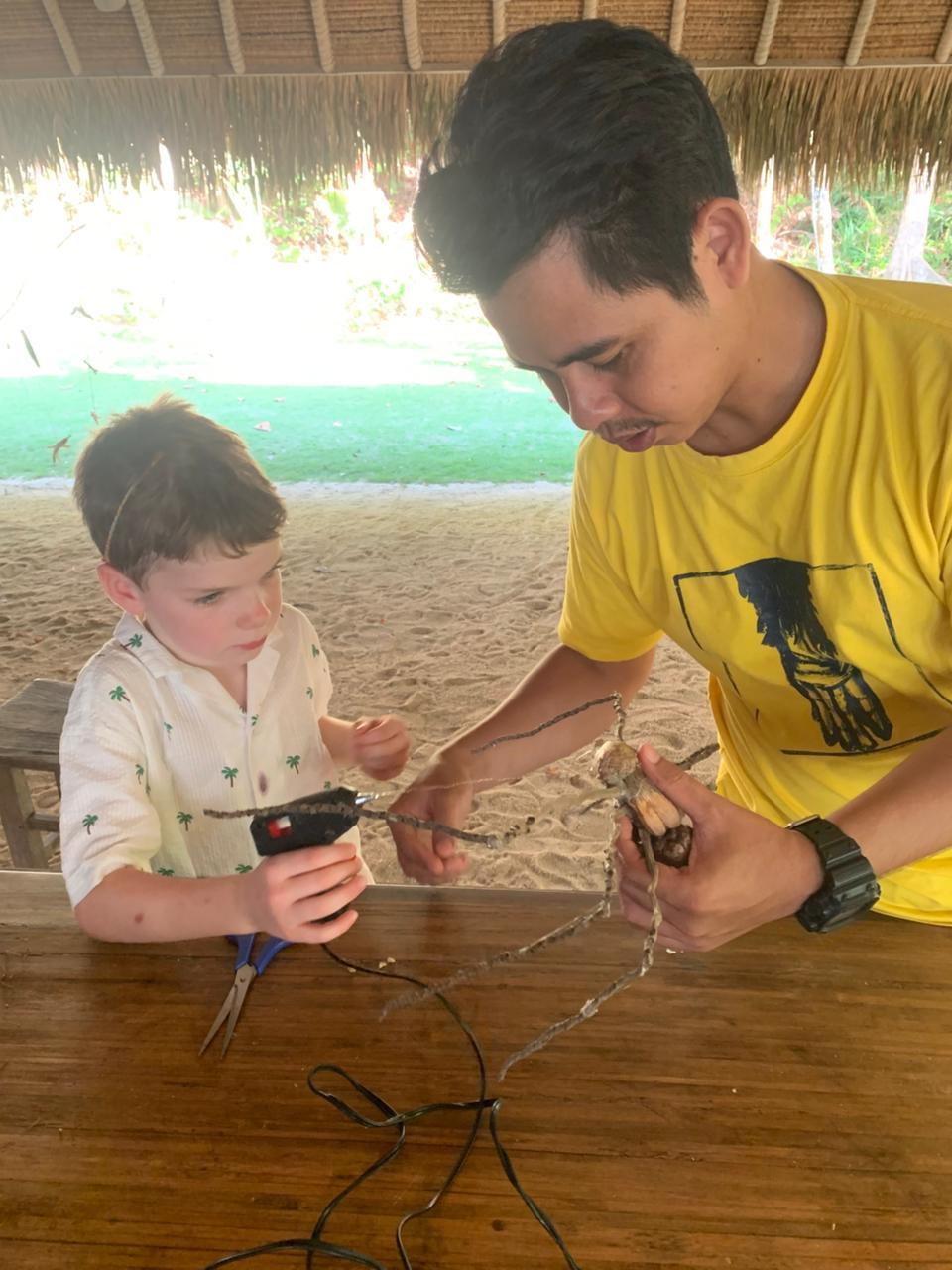
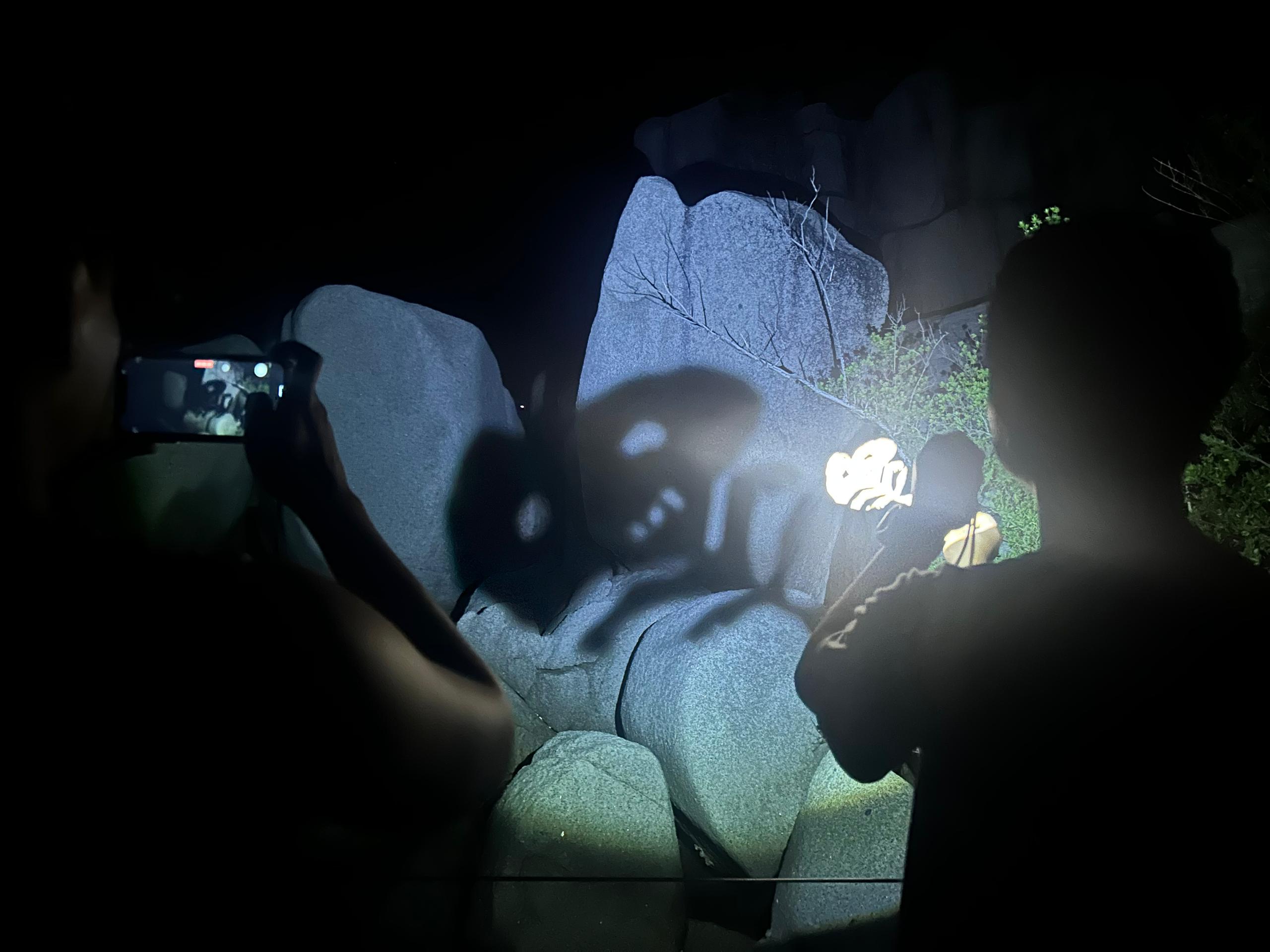
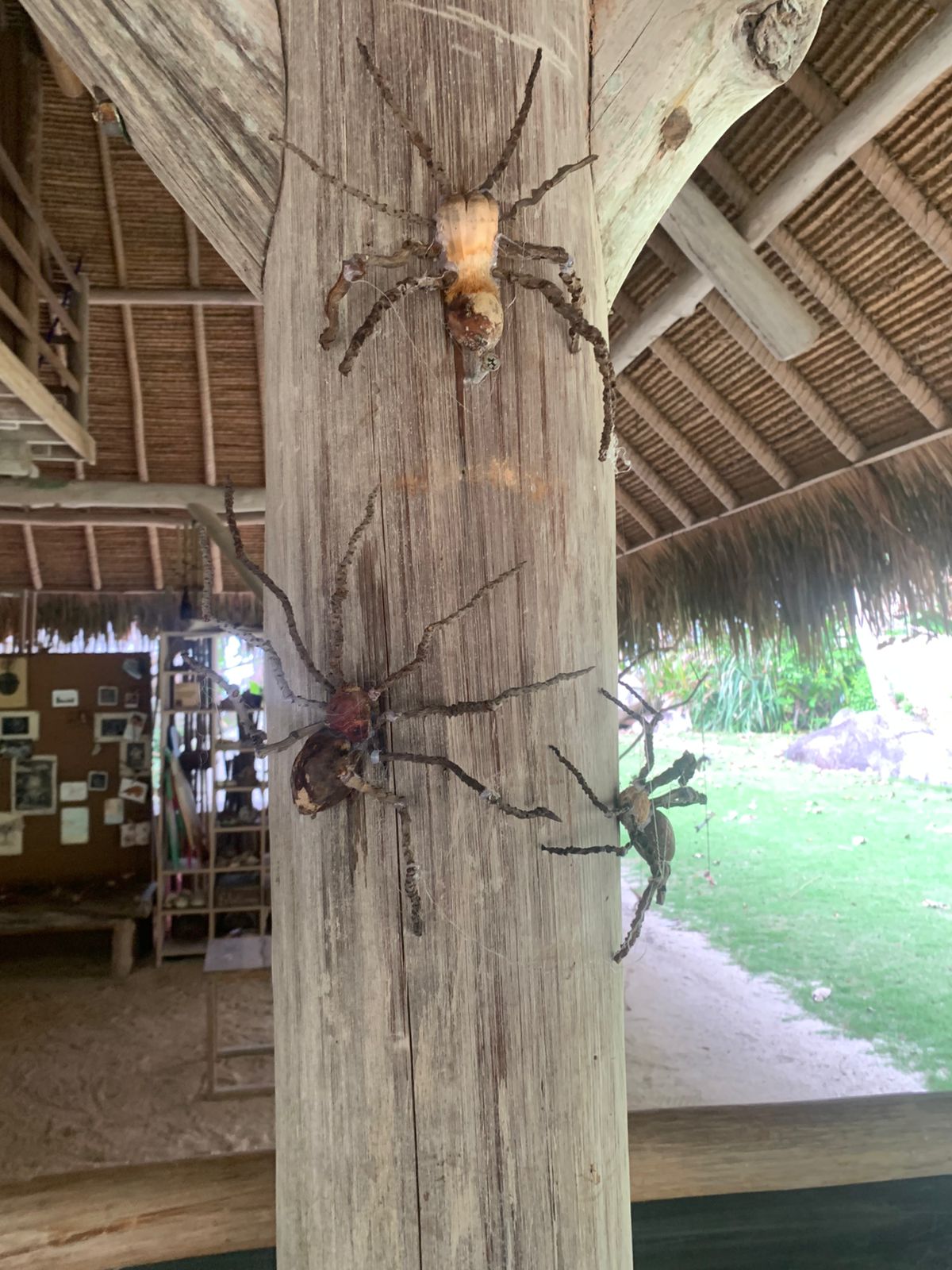
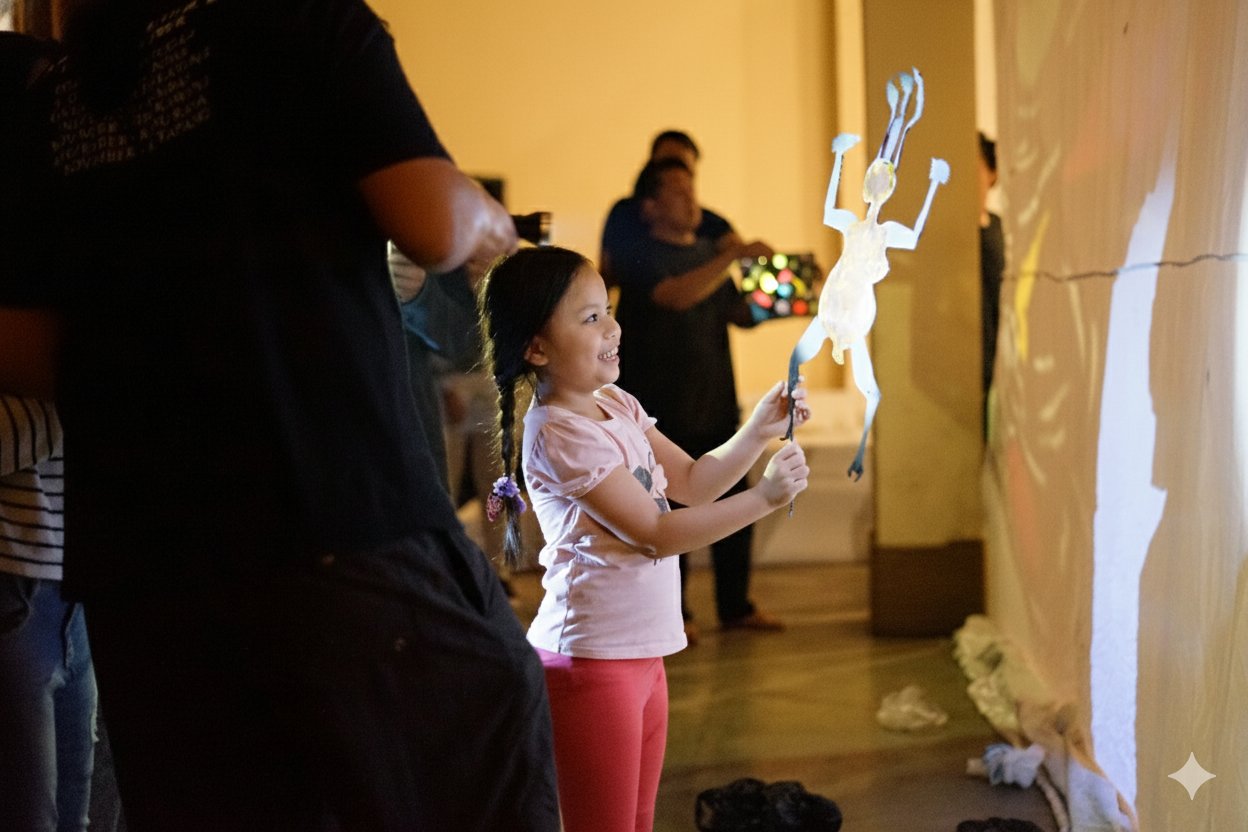
Other than that, the workshops conducted during the residency helped the children to explore fear through imagination, creativity, and hands-on activities. The Recognising Emotion workshop allowed children to develop emotional awareness. The Spider Making and Shadow Puppet workshops with Flying Balloons Puppet encouraged them to externalise ideas through puppet making and storytelling while using materials that can be found around them. Overall, these workshops showed that art activities can help children approach this topic of fear in a safe way.
This research emphasises the importance of providing a safe space for children. According to the Child Mind Institute, supportive environments are important in helping children to process their emotions. The small and intimate setting of the workshop not only provided the participating children with comfort but also allowed them to open up at their own pace.
Despite fear being a topic that is not usually discussed with children, the paintings made by them were not visually frightening. Some were colourful and some were even funny. This suggests that art can act as a medium for them to acknowledge their fears. As acknowledging fears is the first step to overcome them, this research proposes an alternative approach to do so, which is a non-verbal puppet performance. Phobias can be visualised through objects and puppets in a non-threatening way. Furthermore, non-verbal puppetry also functions as physical storytelling which could help children with their imagination rather than a scripted text. “Maybe troubling content feels more real when we are engaging with contemporary playwrights who use familiar vernacular and whose storytelling may align more closely with our everyday experiences”, (Galloway, 2023). Phobia may be considered a taboo topic in Theatre for Young Audiences (TYA), but with the right direction and planning, theatre might be the best medium to address the topic and help children feel that it is okay to be afraid of something.
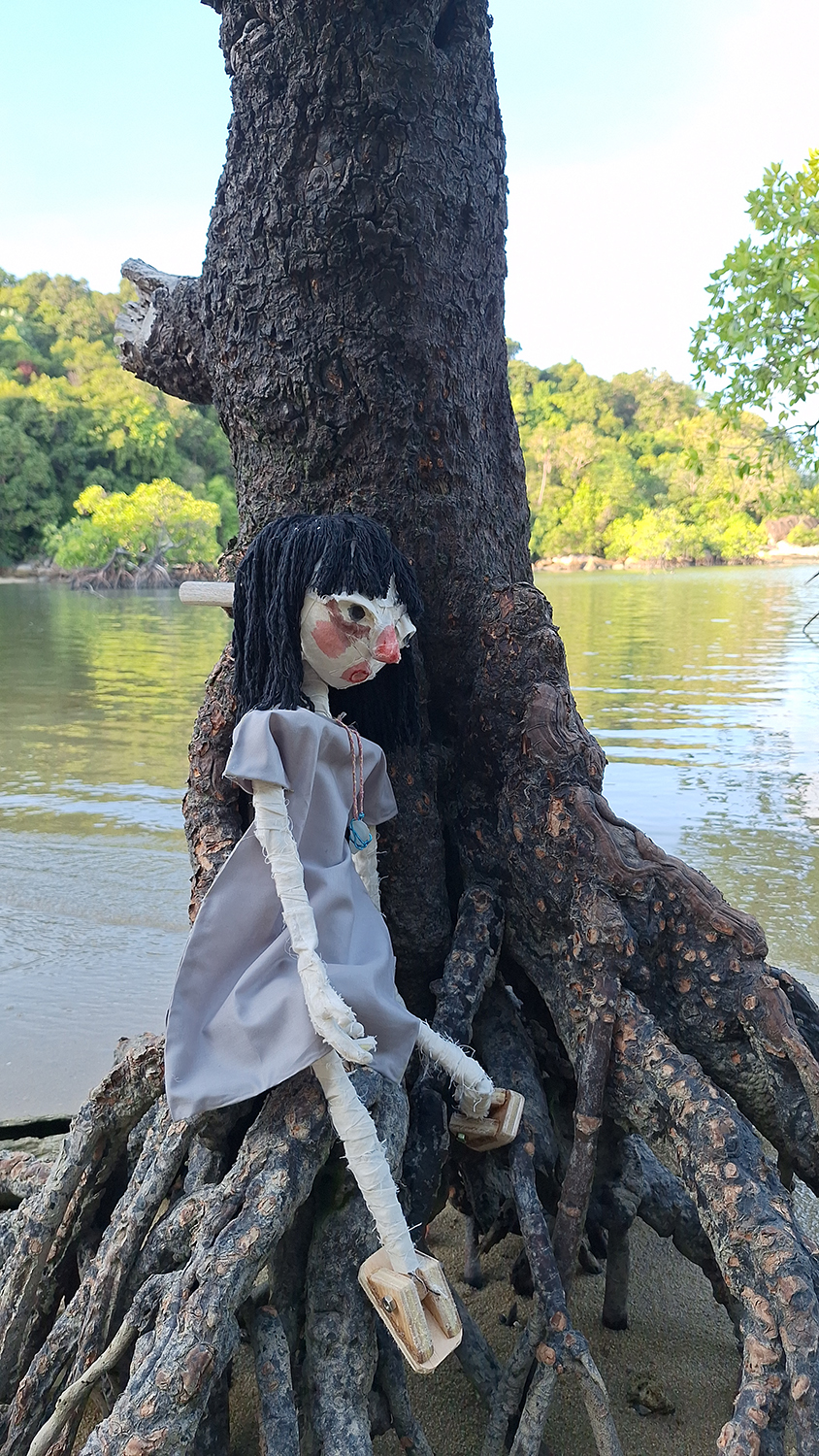
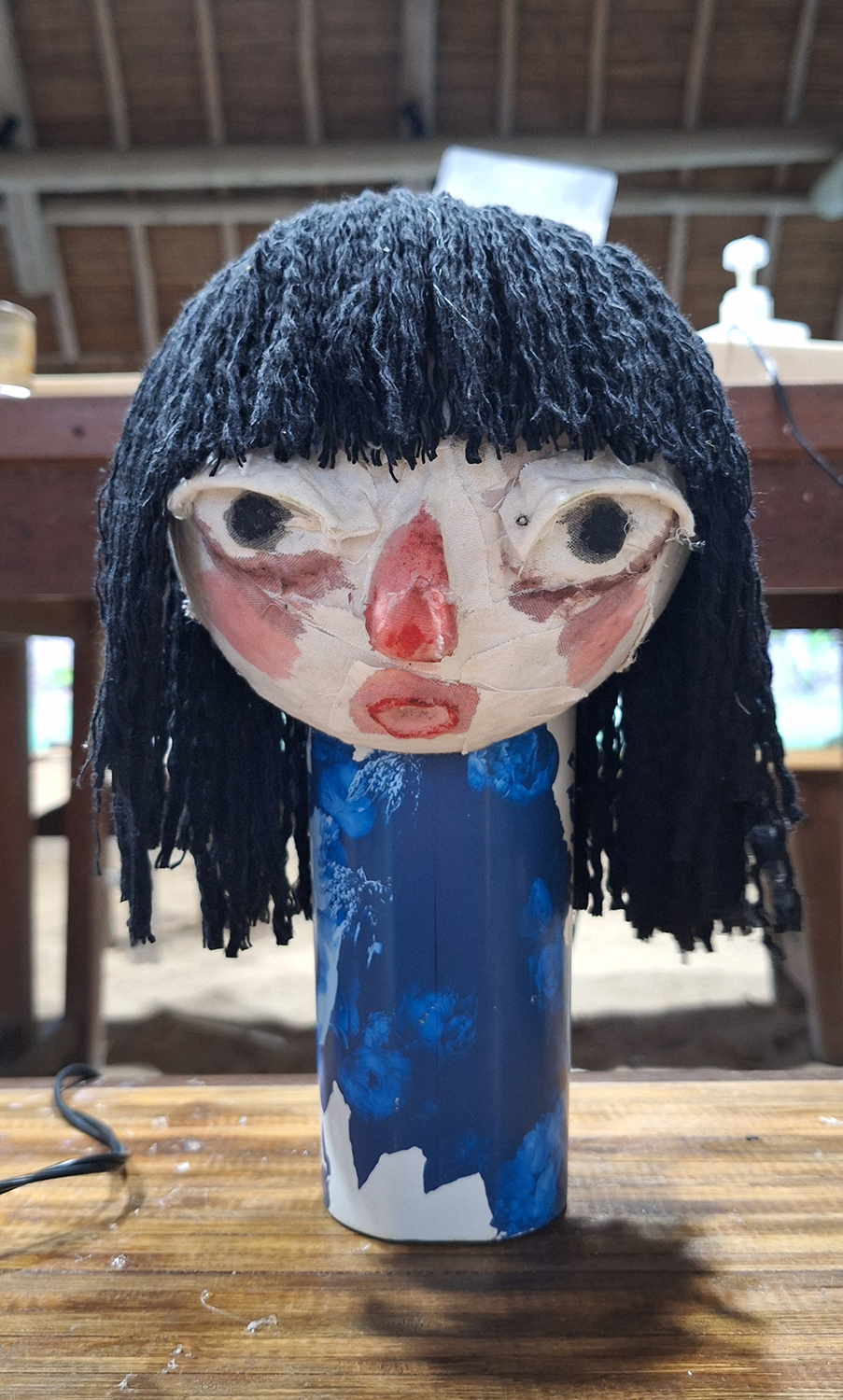
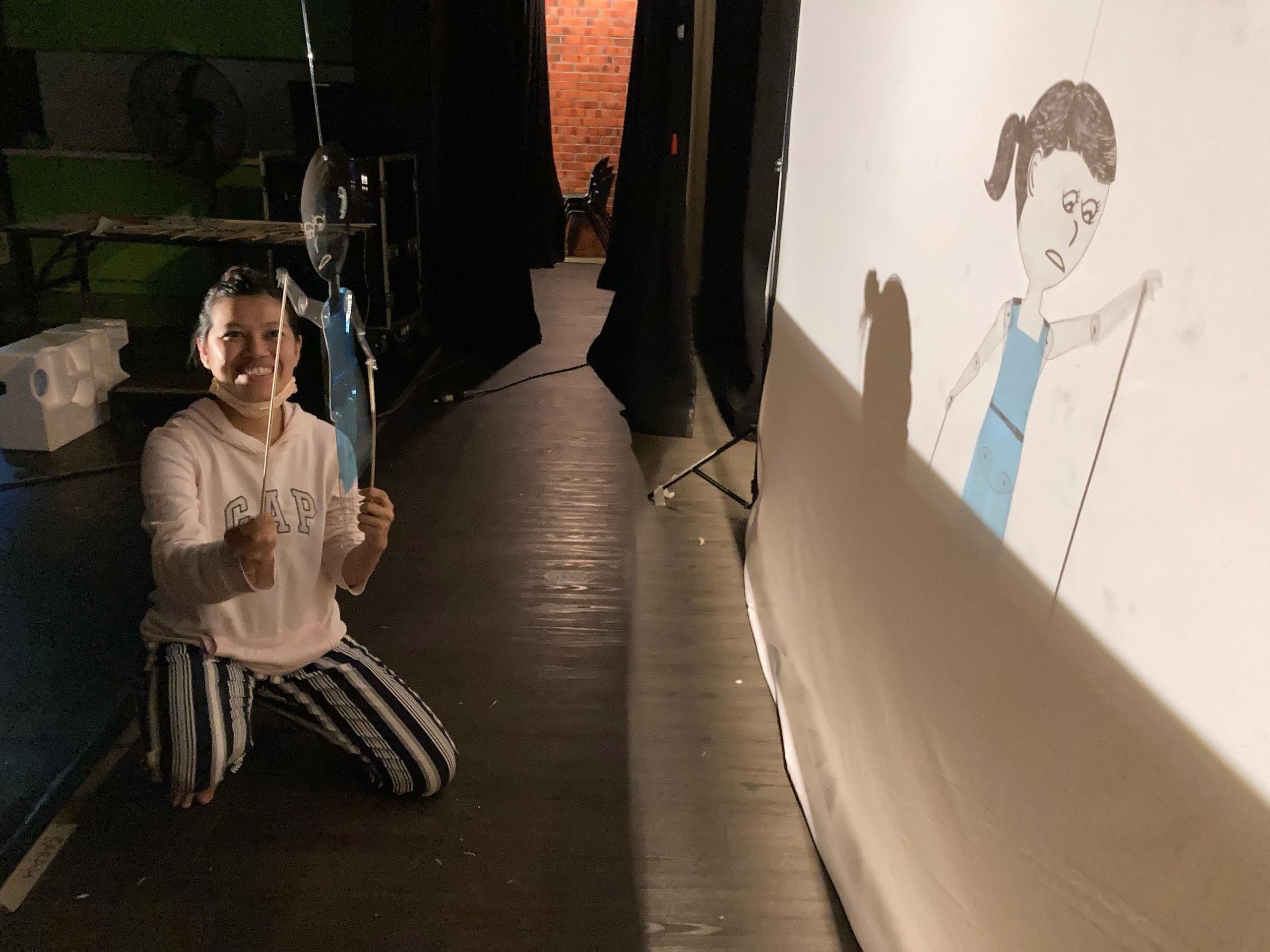
This research also highlights the importance of engaging children as active participants in exploring the complex theme of phobia. Rather than denying a child’s fear, an artistic way such as drawing, painting, puppet making and performance work better in acknowledging the fear while educating children about it. The series of workshops provided a better understanding of why children were afraid of certain things. Based on the information gained from this research, Flying Balloons Puppet was able to design and build a puppet in the form of a young girl named Kemangi to represent the girl who’s afraid of everything. Kemangi is the next step of this research of portraying how children understand and acknowledge their fears through the performance of “The Girl Who’s Afraid of Everything”.
Special Thanks to:
The Nikoi’s Kids Club crew, Lini, Angus, Tomtom & Pipin. Since my work involved children, they helped to ease the communication between me and Nikoi’s guests. They were very welcoming and made me feel like I was also part of the crew. During workshops and activities, they supported me by helping me to gather participants and lent extra hands with the kids whenever needed.
And Yudi for helping to promote our workshops.
Spending time on Nikoi Island opened up a different way of approaching the work. Rather than following a fixed plan, the project gradually took shape through daily engagement with the surroundings. The Shape of What Is Held (The Girl Who’s Afraid of Everything) became less about executing an idea, and more about responding to what was already there, materials, space, and shifting conditions.
Simple activities like walking, collecting, and observing became part of the process. Objects found on the island, pieces of wood, leaves, and other natural elements started to suggest their own possibilities. When brought together with textiles from Jogja, they formed a kind of working language for the piece, not as props, but as active elements that could carry movement and presence.
A key question throughout was how to work with fear without turning it into something too literal. Through a series of movement and puppetry explorations, objects began to take on roles that felt unstable. At times they were clearly handled, but at other moments they seemed to resist or slip out of control. This tension became important, shifting the work away from storytelling and toward something more physical and open-ended.
Two workshops with children became an essential part of this process. In the first, participants created spider puppets. One child initially mentioned being afraid of spiders, but during the making process, that fear seemed to shift. The puppet made the spider more approachable, something that could be held and played with. What stayed with us was not the idea of “removing” fear, but how it could be reimagined, even turned into a companion.
The second workshop focused on leaf shadow puppets. Participants worked in pairs to create simple objects and short narratives, which were then shared in a small informal showing. One moment that stood out was a child working together with their father. Watching them build something side by side revealed a quiet, shared way of engaging with the process. At the same time, a few children continued working on their puppets even after the session had ended, which felt like a small but telling sign of how absorbed they had become.
These moments fed directly back into the work. The way the children approached materials freely, without overthinking reinforced the idea of keeping the process open, allowing meaning to emerge through doing rather than explaining.
Over time, the island itself began to feel less like a setting and more like a condition we were working within. Weather changes, shifting light, and the limits of the space all played a role in shaping decisions along the way. What came out of the residency is not a finished piece, but a clearer direction. The work now sits in the space between control and uncertainty where fear is not something to resolve, but something that can be approached, handled, and continuously reworked through the relationship between body, material, and environment.




%252C%2520ArtJog%2520Daily%2520Performance.jpg)
%2520with%2520Gwen%2520Knox%2520Australia.png)
Ubah Rumah is an art residency and archive inspired by stories of our region.


